sodium citrate buffer applications s are the silent workhorses of scientific research, ensuring that experiments remain stable, reliable, and reproducible. Among the many buffering solutions used in biological and biomedical laboratories, Sodium Citrate Buffer stands out as one of the most versatile and dependable. It plays a critical role in maintaining pH stability, supporting biochemical reactions, and serving as a key reagent in immunohistochemistry, molecular biology, and cell biology applications.
One of its most recognized uses is in heat-induced antigen retrieval, where it helps restore antigen accessibility in formalin-fixed tissue samples. However, its applications extend well beyond histopathology, making it an essential component of numerous laboratory protocols.
Understanding how to prepare, optimize, and use Sodium Citrate Buffer correctly can significantly improve experimental accuracy while reducing variability between tests. This article explores its importance, preparation protocols, optimization strategies, and best practices for achieving consistent laboratory results.
What Is Sodium Citrate Buffer?
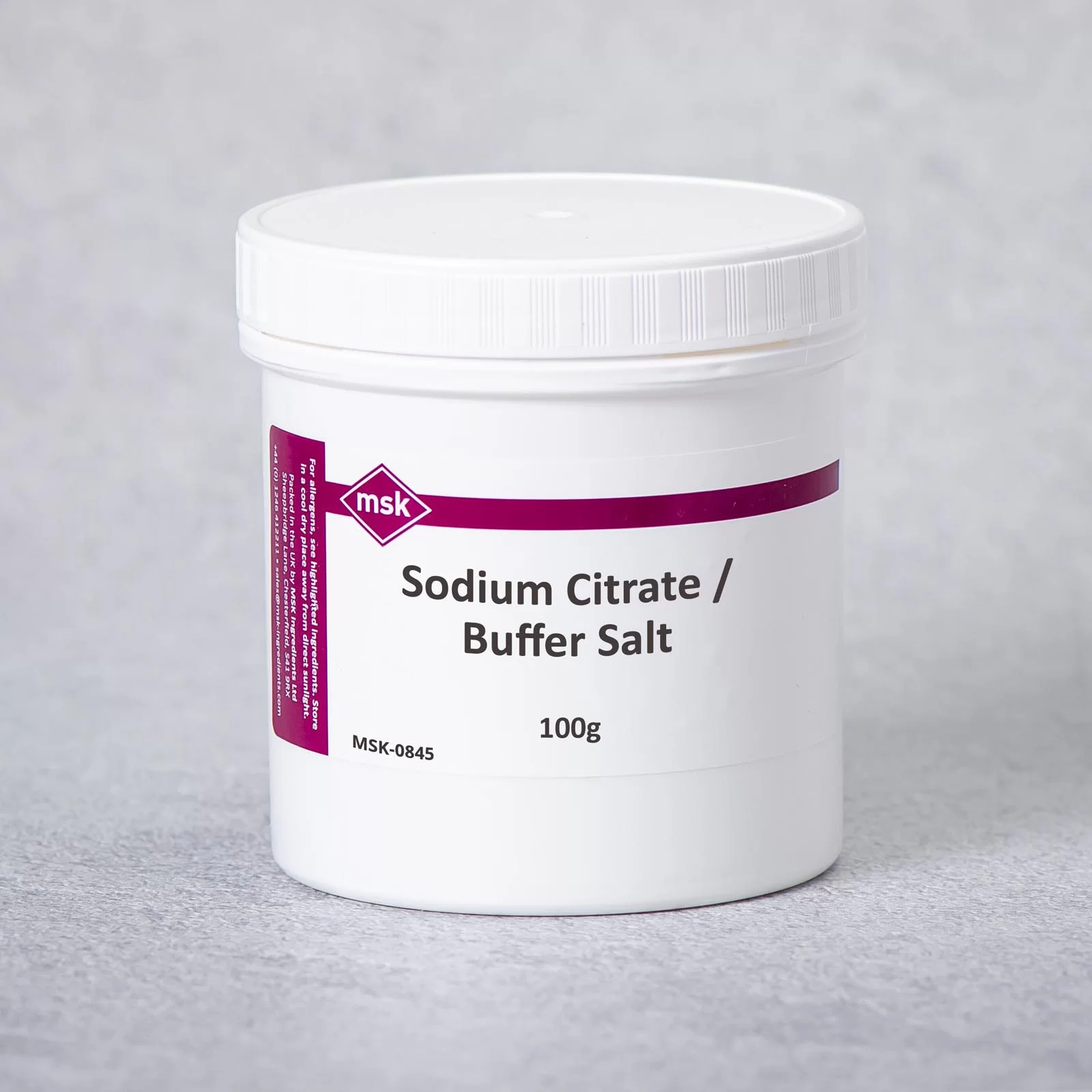
Sodium Citrate Buffer is a solution made by combining sodium citrate with citric acid to create a stable buffering system. Its primary function is to maintain a consistent pH during biological and chemical reactions, preventing sudden changes that could affect experimental outcomes.
The buffer is valued because it offers excellent pH control within a range commonly required for many laboratory procedures. Depending on the intended application, researchers can adjust the buffer to different pH values while maintaining its effectiveness.
Because of its stability, affordability, and compatibility with numerous laboratory techniques, Sodium Citrate Buffer has become a standard reagent in research laboratories worldwide.
Why Sodium Citrate Buffer Is Important in Research
Maintains Stable pH Conditions
Many biological reactions are highly sensitive to pH changes. Even small fluctuations can alter enzyme activity, protein structure, or antibody performance. Sodium Citrate Buffer helps maintain stable conditions, ensuring reliable and reproducible experimental results.
Supports Antigen Retrieval
In immunohistochemistry, Sodium Citrate Buffer is widely used during heat-induced antigen retrieval. Formalin fixation often masks antigenic sites by creating protein cross-links. Heating tissue sections in Sodium Citrate Buffer helps reverse these cross-links, improving antibody binding and producing stronger staining.
Compatible with Multiple Applications
Its versatility makes Sodium Citrate Buffer suitable for a wide variety of laboratory techniques, including:
-
Immunohistochemistry
-
Histopathology
-
Molecular biology
-
Protein analysis
-
Cell biology research
-
Enzyme studies
Its broad compatibility reduces the need for multiple specialized buffers in routine laboratory work.
Standard Protocol for Preparing Sodium Citrate Buffer
Although individual laboratory protocols may vary, preparing Sodium Citrate Buffer generally follows a straightforward process.
Selecting the Desired pH
The first step is determining the required pH for the experiment. Different antibodies, enzymes, and research applications may require slightly different buffer conditions.
For antigen retrieval, mildly acidic buffer conditions are commonly preferred because they effectively expose many protein targets without causing excessive tissue damage.
Mixing the Components
The buffer is prepared by dissolving sodium citrate in purified water and adjusting the pH using citric acid or sodium hydroxide until the desired level is reached.
Accurate pH measurement is essential, as even slight deviations may affect experimental performance.
Sterilization and Storage
After preparation, the buffer is often filtered or sterilized if required by the experimental protocol. Proper storage in clean, sealed containers helps maintain stability and prevents contamination.
Freshly prepared buffer generally provides the most consistent results, although many laboratories store prepared solutions under recommended conditions for future use.
Optimizing Sodium Citrate Buffer for Better Results
Optimization is an essential part of achieving high-quality laboratory outcomes. Even a well-prepared buffer may require adjustments depending on the specific experiment.
Optimize Buffer pH
Not all proteins respond equally to the same pH conditions. Researchers often compare different pH values during protocol development to determine which provides the strongest and most specific results.
Careful optimization helps maximize staining intensity while minimizing background interference.
Control Heating Conditions
When Sodium Citrate Buffer is used for antigen retrieval, heating time and temperature have a significant impact on success.
Excessive heating may damage tissue morphology, while insufficient heating may leave antigens partially masked. Standardized heating protocols improve consistency across experiments.
Validate Experimental Conditions
Every laboratory should validate Sodium Citrate Buffer protocols for new antibodies or research applications before routine implementation.
Validation ensures that buffer conditions consistently produce accurate and reproducible results.
Best Practices for Using Sodium Citrate Buffer
Following established laboratory practices helps maximize buffer performance and improve experimental reliability.
Use High-Quality Reagents
Preparing the buffer with analytical-grade chemicals and purified water minimizes impurities that could interfere with sensitive biological experiments.
High-quality reagents contribute to better consistency and more dependable research outcomes.
Monitor Buffer pH Regularly
Buffer pH can change during storage due to environmental factors or contamination. Checking the pH before important experiments helps ensure consistent performance.
Prevent Contamination
Using clean laboratory equipment and sterile containers reduces the risk of microbial contamination, which can compromise buffer stability and affect experimental results.
Proper handling practices also extend the usable life of prepared buffer solutions.
Label and Document Every Batch
Recording preparation dates, pH values, reagent batches, and storage conditions supports quality assurance and simplifies troubleshooting if unexpected results occur.
Good documentation is an important part of laboratory reproducibility.
Common Challenges When Using Sodium Citrate Buffer
Although Sodium Citrate Buffer is highly reliable, several challenges can affect its performance.
Inconsistent Staining
Variations in pH, heating conditions, or buffer preparation may lead to uneven staining intensity between samples.
Standardized protocols help minimize these inconsistencies.
Tissue Damage During Antigen Retrieval
Overheating tissue sections in Sodium Citrate Buffer can cause section detachment or loss of structural detail.
Careful temperature control protects tissue integrity while maintaining effective antigen retrieval.
Buffer Degradation
Improper storage or contamination may reduce buffer effectiveness over time.
Preparing fresh buffer when possible and following recommended storage practices help preserve its quality.
Experimental Variability
Different tissue types and antibodies may respond differently to identical buffer conditions.
Small protocol adjustments are often necessary to optimize performance for specific applications.
Future Perspectives
As biomedical research continues to evolve, Sodium Citrate Buffer remains a cornerstone reagent in both clinical and research laboratories. Advances in automated staining platforms, digital pathology, and multiplex immunohistochemistry are increasing the demand for highly standardized and reproducible buffer systems.
Researchers are also exploring improved formulations that enhance antigen retrieval while preserving delicate tissue structures. These innovations aim to support emerging technologies, including spatial biology, precision medicine, and high-throughput molecular diagnostics.
With ongoing improvements in laboratory automation and quality control, Sodium Citrate Buffer will continue to play an essential role in advancing scientific discovery and improving diagnostic accuracy.
Conclusion
Sodium Citrate Buffer is far more than a simple laboratory reagent—it is an essential component of modern scientific research. Its ability to maintain stable pH conditions, support effective antigen retrieval, and improve experimental consistency makes it indispensable across multiple disciplines, including histopathology, immunohistochemistry, molecular biology, and cell research.
By following standardized preparation protocols, optimizing experimental conditions, and app best laboratory practices, researchers can maximize the performance of Sodium Citrate Buffer and produce reliable, reproducible results. As scientific techniques become increasingly sophisticated, this versatile buffer will remain a trusted foundation for accurate research, meaningful discoveries, and high-quality laboratory diagnostics.