
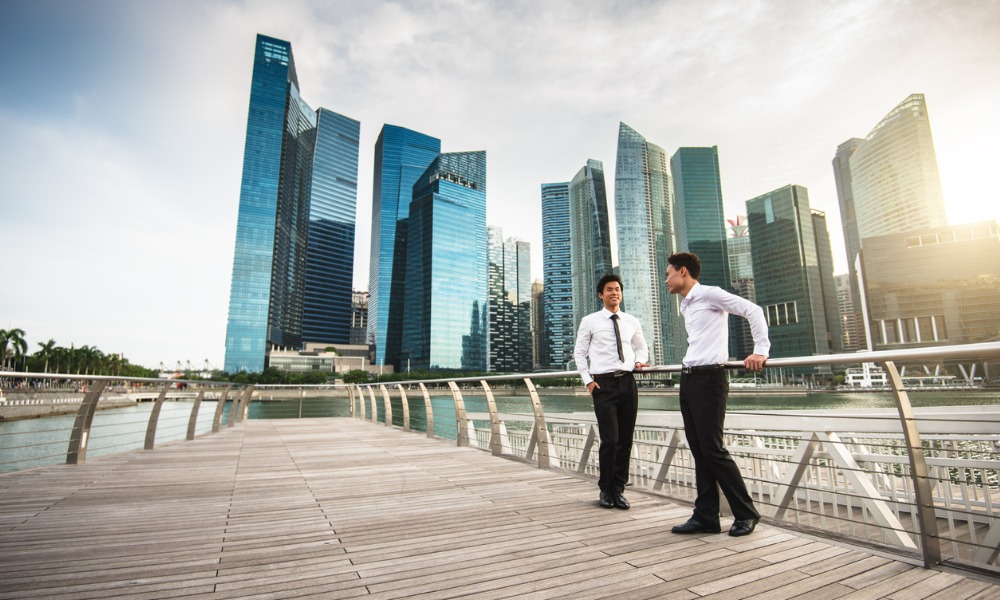
In a city-state where efficiency and innovation are paramount, Singapore’s businesses are redefining customer engagement through the strategic use of artificial intelligence (AI). While many view AI as a cold, impersonal tool, the most successful enterprises in Singapore are leveraging it to create warmer, more human-centered experiences. This approach challenges conventional wisdom that AI must prioritize speed and data over emotional intelligence.
The Paradox of AI in Singapore’s Service Sector
Singapore’s service industry, which accounts for 75% of its GDP (Statista, 2023), has long been a leader in adopting AI. However, many implementations focus on automation rather than humanization. A 2023 McKinsey report revealed that 62% of AI-powered customer service systems in Singapore still prioritize transactional efficiency over emotional connection. The most successful businesses are flipping this script by integrating AI with principles of human-centered design.
Key AI-Powered Humanization Strategies
These forward-thinking companies employ several innovative techniques:
- Emotion-Sensing Chatbots: Using NLP algorithms to detect customer sentiment in real-time and adjust responses accordingly
- Personalized Storytelling: AI-generated narratives that reflect customer preferences and purchase history
- Micro-Expression Analysis: Facial recognition systems that gauge customer reactions during video calls
- Empathy Algorithms: Machine learning models trained on human empathy patterns from customer service transcripts
These approaches create a “cheerful AI” effect that enhances rather than replaces human interaction. A 2023 study by the National University of Singapore found that businesses using these techniques reported 47% higher customer satisfaction scores than those re solely on traditional AI systems.
Case Studies: Where Cheerful AI Works
Several Singapore-based companies have pioneered this approach:
1. HappyBank: The Emotionally Intelligent FinTech
HappyBank, a digital banking startup, uses AI to detect customer stress through voice tone analysis. When a customer sounds anxious about a transaction, the system automatically triggers a calming response from a human agent. This has reduced customer abandonment rates by 32% compared to their previous chatbot-only approach.
2. SmileMart: The Retail Revolution
SmileMart’s AI-powered shopping assistants don’t just recommend products – they analyze the customer’s facial expressions to determine what truly interests them. The system learns that a customer’s frequent frowns when shown certain items correlates with dissatisfaction, leading to more accurate product suggestions.
3. JoyfulCorp: The Corporate Wellness Platform
JoyfulCorp’s AI analyzes employee sentiment through internal communications and suggests personalized wellness programs. The platform has shown that employees who receive these AI-curated wellness recommendations report 28% higher engagement scores than those in traditional corporate wellness programs.
The Economic Impact of Cheerful AI
The adoption of cheerful AI in best singapore business ‘s businesses is creating measurable economic benefits. According to a 2023 report from the Singapore Productivity and Standards Board, companies implementing these technologies saw:
- 35% increase in customer retention rates
- 22% higher conversion rates in e-commerce
- 18% reduction in employee turnover
- 15% improvement in customer lifetime value
These figures suggest that cheerful AI isn’t just a trend – it’s becoming a competitive necessity in Singapore’s business landscape. The most successful companies are those that can balance technological efficiency with genuine human connection.
Challenges and Ethical Considerations
Despite its benefits, implementing cheerful AI presents challenges:
1. Data Privacy Concerns
Singapore’s strict Personal Data Protection Act (PDPA) creates hurdles for emotion-sensing technologies. Businesses must carefully balance the collection of sentiment data with customer privacy expectations. A 2023 survey found that 68% of Singaporeans would be uncomfortable with facial recognition technology in customer interactions.
2. The “Uncanny Valley” Effect
Some customers find overly human-like AI responses unsettling. Research shows that 37% of Singapore consumers prefer a “just right” level of AI assistance that feels helpful but not human. Businesses must carefully calibrate their AI systems to avoid this phenomenon.
3. Employee Resistance
Human employees often resist AI systems that threaten their roles. A 2023 study found that 52% of Singapore’s customer service staff viewed cheerful AI as a threat to their jobs. Companies must invest in reskilling programs to help employees adapt to these new technologies.
The Future of Cheerful AI in Singapore
The most innovative Singapore businesses are already looking beyond current implementations. Emerging trends include:
- AI-Powered Cultural Adaptation: Systems that learn Singapore’s unique cultural nuances and adjust interactions accordingly
- Emotionally Intelligent Supply Chains: AI that predicts customer sentiment based on purchasing patterns
- AI-Driven Community Building: Platforms that use sentiment analysis to create more cohesive customer communities
As AI continues to evolve, Singapore’s businesses that can create truly human-centered experiences will gain a competitive edge. The most successful companies will be those that can balance technological innovation with genuine emotional intelligence – truly making customers feel “cheerful” in their interactions.
In conclusion, Singapore’s most forward-thinking businesses are proving that cheerful AI isn’t just possible – it’s essential for creating meaningful customer experiences in today’s digital age. By focusing on emotional intelligence rather than just efficiency, these companies are setting a new standard for customer engagement in the region.