



Can Adenoid Facies Be Prevented?
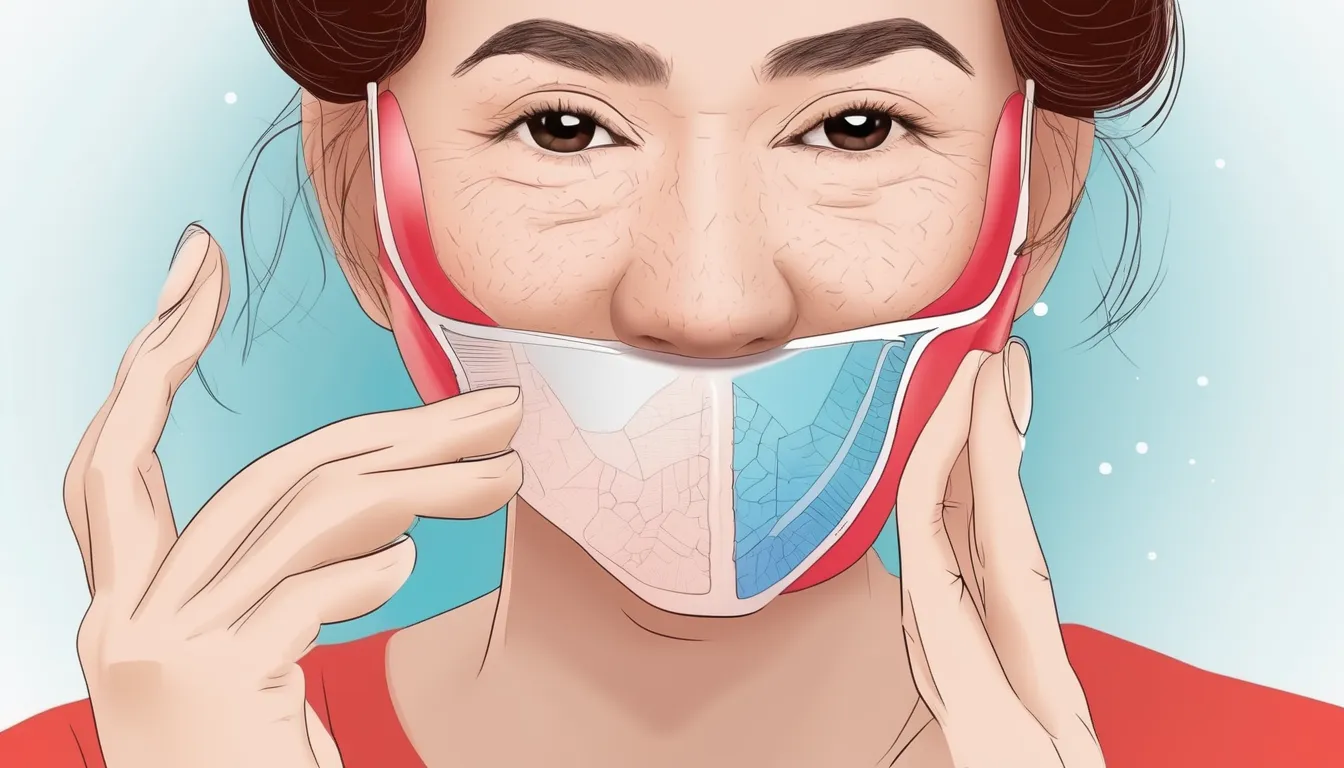
You’ve likely seen children with elongated faces, narrow noses, and an open-mouthed expression, often referred to as adenoid facies. This condition can be a result of chronic nasal congestion and mouth breathing, which can stem from enlarged adenoids and other underlying issues. As a parent, you may wonder if there’s anything you can do to prevent this from happening to your child. While there’s no guaranteed way to completely prevent adenoid facies, research suggests that certain preventative measures can significantly reduce the risk. But what exactly are these measures, and how can you implement them effectively?
Understanding Adenoid Facies Causes
Several factors can contribute to adenoid facies, but what primarily sets it off is prolonged nasal obstruction.
When you experience nasal congestion over an extended period, it forces you to breathe through your mouth. This can lead to changes in your facial structure, particularly in the jaw and teeth.
Adenoid facies often occurs in children who’ve enlarged adenoids or tonsils, which can obstruct their nasal passages.
Enlarged adenoids and tonsils can be caused by various factors, including allergies, respiratory infections, and genetics.
When you’re prone to allergies or respiratory issues, it’s essential to address these underlying conditions to prevent adenoid facies.
Additionally, you should be aware of any family history of adenoid enlargement or facial structure issues.
Understanding the causes of adenoid facies is crucial in preventing this condition.
Recognizing Adenoid Facies Symptoms
Recognizing Adenoid Facies Symptoms
Now that you’re aware of the underlying causes of adenoid facies, it’s time to learn how to identify the symptoms.
As you monitor your child or yourself for signs of adenoid facies, look out for changes in facial structure and breathing habits. These changes can be subtle, but they’re crucial indicators of adenoid facies.
Some common symptoms of adenoid facies include:
- A long, narrow face with a prominent nose and protruding teeth
- A high-arched palate, which can lead to speech difficulties and narrow dental arches
- A tendency to breathe through the mouth instead of the nose, which can be caused by nasal congestion or adenoid enlargement
Keep in mind that these symptoms can develop gradually, so it’s essential to monitor your child’s or your own facial structure and breathing habits closely.
If you notice any of these symptoms, consult a healthcare professional for proper diagnosis and treatment. Early detection can make a significant difference in preventing long-term effects and promoting healthy facial development.
Importance of Nasal Breathing
Proper breathing techniques play a critical role in preventing adenoid facies, and nasal breathing is essential. When you breathe through your nose, the air is filtered, warmed, and humidified before it reaches your lungs.
This process helps to prevent dryness in your airways, which can lead to adenoid enlargement. Nasal breathing also stimulates the production of nitric oxide, a natural gas that helps to regulate breathing and widen your airways.
When you breathe through your mouth, cold, dry air enters your lungs, which can cause your airways to constrict. This can lead to increased pressure on your adenoids, causing them to become enlarged.
By breathing through your nose, you can help to reduce this pressure and prevent adenoid enlargement.
To promote nasal breathing, you should make a conscious effort to breathe through your nose, especially during sleep.
You can also use saline nasal sprays or humidifiers to help keep your nasal passages moist. By adopting these habits, you can help to reduce your risk of developing adenoid facies.
Preventative Measures for Parents
As a parent, you play a crucial role in helping your child develop healthy breathing habits that can prevent adenoid facies.
By being proactive and taking a few simple steps, you can significantly reduce the risk of your child developing this condition.
Here are some preventative measures you can take:
- Encourage nasal breathing: Teach your child to breathe through their nose instead of their mouth. This can be done by gently reminding them to keep their mouth closed while they’re awake.
- Maintain a healthy weight: Excess weight can exacerbate breathing problems, so ensure your child eats a balanced diet and engages in regular physical activity.
- Manage allergies: Allergies can cause nasal congestion, which can lead to mouth breathing. Identify and manage any allergies your child may have to prevent nasal congestion.
Early Detection and Treatment
Your child’s adenoid facies can be effectively managed with early detection and treatment. As a parent, it’s crucial to be aware of the signs and symptoms that may indicate adenoid enlargement or adenoid facies.
Keep an eye out for mouth breathing, narrow upper jaw, and a long, narrow face shape. You’ll also want to watch for other signs like a nasal tone when speaking, frequent nasal congestion, and recurring ear infections.
If you notice any of these symptoms, schedule an appointment with your child’s doctor or an ear, nose, and throat (ENT) specialist.
They’ll perform a physical examination and take a thorough medical history to determine the cause of your child’s symptoms. In some cases, imaging tests like X-rays or a CT scan may be needed to confirm the diagnosis.
Early treatment can significantly reduce the severity of adenoid facies.
Treatment options may include アデノイド顔貌 札幌市 removal, orthodontic treatment, or a combination of both. By catching the condition early, you can help prevent long-term effects on your child’s facial structure and overall health.
Conclusion
You can reduce your child’s risk of developing adenoid facies by taking preventative measures early on. Encourage nasal breathing and manage allergies to prevent nasal congestion. Maintain a healthy weight and address underlying conditions like enlarged adenoids and tonsils. Regular check-ups with a healthcare professional can aid in early detection and treatment. By prioritizing your child’s health, you can promote healthy facial development and minimize the risk of long-term effects.