


Old Ironsides Fakes A Closer Look at Common Counterfeits in Modern Times

You might think that owning a piece of history, like an artifact from the USS Constitution, guarantees authenticity, but the rise of Old old ironsides ids fakes is complicating that notion. Counterfeiters are becoming increasingly sophisticated, making it crucial for you to understand the common types of fakes and the motivations behind them. As you explore how to identify genuine artifacts and protect your collection, you’ll discover that not everything is as it seems in the world of collectibles. What steps can you take to ensure your treasures are truly genuine?

Understanding Old Ironsides Fakes

Many people are surprised to learn about the prevalence of Old Ironsides fakes in the market today. As you dive into the world of collectibles, it’s crucial to understand that these replicas can be more common than you might think. The term “Old Ironsides” refers to the USS Constitution, a historic ship that has captured the imagination of many.

Unfortunately, this popularity has led to a surge in counterfeit items that attempt to mimic the original artifacts.

When you’re searching for authentic pieces, you’ll want to familiarize yourself with the characteristics that distinguish genuine items from fakes. Pay attention to the materials used, the craftsmanship, and any markings or signatures that authentic pieces typically possess.

It’s often the case that counterfeits cut corners to appear visually appealing but lack the historical integrity of the real deal.

You should also be cautious of sellers who don’t provide provenance or reliable documentation. Knowing where the item came from can help you avoid costly mistakes.

Common Types of Counterfeits

Counterfeits come in various forms, each designed to deceive collectors and enthusiasts alike.

You’ll often encounter replicas, which are crafted to mimic the original item closely. These can include fake coins, stamps, or even military memorabilia made to look authentic but lack genuine historical significance.

Another common type is the altered item. Here, a legitimate piece is modified to enhance its value or appeal. This might involve adding artificial wear or changing markings, making it harder for you to identify the deceit.

Then there are forgeries, which are outright fabrications. These items are created from scratch, such as counterfeit documents or signatures. Forgeries aim to pass off as originals, often fooling even seasoned collectors.

You should also be wary of reprints, especially in the realm of collectibles. While reprints may be labeled as such, some sellers mislead buyers into thinking they’re original pieces, especially when prices are involved.

Lastly, there are “fantasy” pieces, which never existed in their claimed form.

Understanding these common types of counterfeits can help you navigate the world of collecting with greater awareness and caution.

Motivations Behind Counterfeiting

In the shadowy world of counterfeiting, greed often drives individuals to create replicas and forgeries. You might be surprised to learn how many people are motivated by the allure of quick financial gain.

These counterfeiters see an opportunity to profit from the hard work and creativity of others, exploiting the value placed on genuine artifacts.

Desire for status can also fuel the urge to counterfeit. Many individuals want to possess high-value items, but the price tags can be prohibitive.

Instead of saving or investing in authentic pieces, they opt for fakes to impress their peers. This creates a cycle where the counterfeit market thrives, as people prioritize image over integrity.

Moreover, some counterfeiters may feel disillusioned with the system, believing that creating forgeries is a form of rebellion against elitism in the art world.

They convince themselves that their replicas bring art to the masses, albeit through dishonest means.

Lastly, lack of awareness or concern about legal repercussions can motivate individuals to engage in counterfeiting.

They underestimate the risks involved, focusing solely on the potential rewards of their actions.

Identifying Genuine Artifacts

Recognizing genuine artifacts requires a keen eye and an understanding of the telltale signs that set them apart from fakes.

To help you identify authenticity, consider these three important factors:

  1. Material Composition: Genuine artifacts are often made from specific materials that reflect their historical context. Look for unique textures or patinas that can’t be easily replicated.
  2. Craftsmanship Details: Authentic items typically showcase intricate craftsmanship. Examine the quality of the work—real artifacts often have subtle imperfections that indicate they were handmade rather than mass-produced.
  3. Provenance Documentation: An artifact’s history can provide invaluable clues. Check for any documentation or records that trace its origin, including previous owners or exhibitions.

If the item lacks this, it could raise red flags about its authenticity.

Protecting Your Collection

Once you’ve identified genuine artifacts, the next step is to ensure their protection. Proper care can keep your collection safe from damage and maintain its value. Here are some key strategies to consider:

Protection Method Description Benefits
Climate Control Use temperature and humidity controls in your storage area. Prevents deterioration of materials.
Display Cases Invest in UV-protected display cases or frames. Shields items from dust and light exposure.
Regular Inspections Schedule routine checks for signs of wear or damage. Allows for early detection of potential issues.
Insurance Get specialized insurance for your collection. Provides financial security against theft or loss.

Conclusion

In conclusion, navigating the world of Old Ironsides fakes can be tricky, but you don’t have to face it alone. By understanding the common types of counterfeits and their motivations, you can better protect your collection. Always take the time to identify genuine artifacts and seek expert advice when needed. With a little diligence and knowledge, you can enjoy your passion for USS Constitution memorabilia while minimizing the risk of falling for a fake.


Elevate Your Designs Top Glass Parts for Sale

When it comes to elevating your designs, you’re likely no stranger to the impact a well-chosen material can make. Glass, in particular, has a way of bringing a touch of sophistication and modernity to a space. But what are the top glass parts that can help you achieve this look? From sleek table tops to custom lighting fixtures, the options can be overwhelming. You’re probably curious about what’s out there and how you can incorporate these elements into your designs. By exploring the top glass parts for sale, you’ll discover a world of possibilities to transform your space into a stunning work of art.

Glass Table Tops and Surfaces

Glass table tops and surfaces set the tone for a room’s style and functionality. When you’re choosing the right glass for your table top or surface, consider the overall aesthetic and purpose of the space.

If you’re looking for a sleek, modern look, a clear or frosted glass top is a great option. If you want to add some color and texture, consider a tinted or coated glass.

You’ll also want to think about the durability and maintenance requirements of the glass. Tempered glass is a popular choice for table tops because it’s strong and resistant to scratches and heat. You can also choose glass with a specialized coating to reduce fingerprints and smudges.

When shopping for glass table tops and surfaces, make sure to consider the size and shape of the space. You’ll want to choose a glass top that fits comfortably and leaves enough room for chairs and other furniture.

Additionally, consider the thickness and weight of the glass to ensure it’s stable and secure. By choosing the right glass glass railing base shoe your table top or surface, you can create a beautiful and functional space that meets your needs.

Decorative Glass Shelves and Racks

When it comes to adding a touch of elegance to your home, decorative shelves and racks can make all the difference.

You can choose from a variety of glass shelves and racks to suit your style, from modern and sleek to traditional and ornate.

  • Use glass shelves to display your favorite decorative items, such as vases, sculptures, or photos.
  • Add a glass rack to your kitchen to store wine glasses, bottles, or other cookware.
  • Create a unique storage solution in your bathroom with a glass shelf for towels, toiletries, or other essentials.
  • Incorporate a glass rack into your closet for a stylish and functional way to store shoes, bags, or accessories.
  • Consider using a glass shelf as a room divider to separate spaces while maintaining an open feel.

Glass Door and Cabinet Hardware

To further enhance the overall aesthetic of your home, consider upgrading the hardware on your glass doors and cabinets. This can make a significant difference in the overall look and feel of your space.

When selecting hardware for your glass doors and cabinets, you’ll want to choose pieces that complement the style and design of your home.

For a sleek and modern look, consider glass door and cabinet hardware made from stainless steel or chrome. These materials provide a clean and contemporary aesthetic that will enhance the beauty of your glass doors and cabinets.

If you prefer a more traditional or vintage look, you may want to consider hardware made from brass or bronze.

In addition to the material, also consider the style and functionality of the hardware.

Choose hardware that’s easy to use and provides smooth operation. Consider the type of glass doors and cabinets you have and select hardware that’s compatible.

With the right glass door and cabinet hardware, you can elevate the design of your home and create a cohesive look.

Custom Glass Lighting Fixtures

You’re not just limited to standard lighting fixtures – a custom glass lighting fixture can add a unique touch to your home.

It’s a chance to express your personal style and create a one-of-a-kind ambiance.

With custom glass lighting fixtures, you can choose from various shapes, sizes, and colors to match your interior design.

Some benefits of custom glass lighting fixtures include:

  • *Increased aesthetic appeal*: Custom glass lighting fixtures can be designed to complement your home’s architectural style and decor.
  • *Improved functionality*: You can choose the type and placement of lighting to suit your specific needs.
  • *Enhanced ambiance*: Custom glass lighting fixtures can create a warm and inviting atmosphere.
  • *Durability*: Glass is a long-lasting material that can withstand the test of time.
  • *Resale value*: A custom glass lighting fixture can be a unique selling point for your home.

Architectural Glass Components

Your home’s architectural style can greatly benefit from incorporating unique glass components. Architectural glass components can add a touch of elegance and sophistication to your space.

You can use them to create a stunning glass wall, a beautiful glass staircase, or even a sleek glass door.

When choosing glass components, consider the overall aesthetic you want to achieve. For example, you can opt for frosted glass for a more subtle look or colored glass for a bold statement.

You can also combine glass with other materials, such as metal or wood, to create a unique and eye-catching design.

Architectural glass components aren’t just visually appealing, but they can also be functional.

You can use them to create a partition that separates different areas of your home or to add natural light to a room.

With the right glass components, you can elevate your home’s design and create a space that’s both beautiful and functional.

Conclusion

You’ve now seen the top glass parts for sale that can elevate your designs. From sleek glass table tops to custom glass lighting fixtures, you have endless options to create stunning spaces. Whether you’re going for modernity or making a bold statement, you’re sure to find the perfect glass components to match your style. With a wide range of styles and materials at your fingertips, you’re ready to bring sophistication and elegance to your space.

How Thruster Blast Technology Is Powering the Future of Deep Space Exploration

As you consider the vastness of space and the challenges of exploring it, you might wonder what's driving the next generation of spacecraft. The answer lies in thruster blast technology, a propulsion system that's rapidly gaining traction in the space industry. By accelerating ions or gas molecules to high speeds, these thrusters enable spacecraft to achieve remarkable speeds and travel longer distances with minimal fuel. But what exactly makes this technology so groundbreaking, and how will it shape the future of space exploration? The key to understanding this lies in the unique benefits and capabilities of thruster blast systems.

What Is Thruster Blast Technology

Innovation takes center stage with the introduction of Thruster Blast Technology, a game-changing propulsion system that's revolutionizing the way we approach space exploration and beyond.

As you delve into the world of Thruster Blast Technology, you'll discover a complex system that combines advanced ion thrusters with cutting-edge power generation.

This innovative technology uses electrical energy to accelerate ions, creating a high-speed exhaust that propels spacecraft forward.

Thruster Blast Technology's core component is its ion thruster, which relies on electrical energy to ionize and accelerate propellant.

The resulting thrust is highly efficient, producing a significant amount of force relative to the amount of propellant used.

This efficiency allows spacecraft to achieve higher speeds and travel longer distances while minimizing fuel consumption.

You'll find that Thruster Blast Technology is designed to be adaptable and scalable, making it suitable for a wide range of space missions.

Its modular design enables spacecraft manufacturers to easily integrate the system into their designs, paving the way for a new era of deep space exploration.

Benefits of Advanced Propulsion Systems

As you explore the advantages of Thruster Blast Technology, you'll find that its advanced propulsion system offers numerous benefits that can significantly enhance the success of space missions. One of the most notable benefits is the increased efficiency in fuel consumption.

With Thruster Blast Technology, you can achieve longer mission durations with less fuel, which reduces the overall weight of the spacecraft and increases its payload capacity. This, in turn, allows you to carry more scientific equipment and supplies, making your space missions more productive.

Another significant benefit is the improved maneuverability of spacecraft. Thruster Blast Technology enables you to make more precise adjustments to your spacecraft's trajectory, which is critical when navigating through complex asteroid fields or making precise landings on distant planets.

Additionally, the advanced propulsion system provides a higher degree of reliability and fault tolerance, reducing the risk of system failures and ensuring the continued success of your space mission.

The Science Behind Thruster Blasts

You're likely familiar with the basic concept of a thruster blast – a high-speed exhaust of hot gases that propels a spacecraft forward. But have you ever wondered what's happening at a molecular level to make this process possible?

It all starts with the expansion of gases. When a propellant, such as xenon gas or liquid fuel, is heated and accelerated through an electric or chemical reaction, it expands rapidly. This expansion creates a high-pressure, high-temperature gas that's then expelled through a nozzle, generating a massive amount of thrust.

As the gas exits the nozzle, its velocity increases dramatically due to the conservation of momentum. This is because the gas molecules are highly energized and moving at incredibly high speeds, sometimes exceeding 30,000 meters per second.

The nozzle's shape and design play a crucial role in optimizing the exhaust velocity, ensuring that the gas molecules are accelerated to their maximum potential. By understanding the science behind thruster blasts, engineers can design more efficient and effective propulsion systems, paving the way for deeper space exploration.

Thruster Blast Systems in Spacecraft

Now that we've explored the fundamental science behind thruster blasts, let's look at how these systems are integrated into spacecraft.

You'll typically find thruster blast systems in the propulsion module of a spacecraft, where they're connected to fuel tanks, control systems, and power sources.

These systems are designed to provide a high degree of precision and control, allowing you to adjust the thrust level and direction as needed.

The thruster itself is usually a compact unit that includes the combustion chamber, nozzle, and electrical components.

It's typically mounted on a gimbal or pivot, which allows you to adjust the direction of the thrust.

The control system uses sensors and software to monitor the spacecraft's velocity, position, and attitude, and makes adjustments to the thruster as needed.

When you activate the thruster, the control system sends an electrical signal to the ignition system, which ignites the fuel and produces the high-pressure gas that generates the thrust.

The thruster's nozzle is designed to maximize the exhaust velocity of the gas, resulting in a high-specific-impulse thrust that's efficient and reliable.

Future Applications and Development

Several promising areas of research are currently underway to further develop and expand the capabilities of thruster blast technology. You're likely to see it being integrated into more advanced propulsion systems, such as nuclear-powered thrusters or advanced ion engines.

These systems will enable more efficient and longer-duration missions, making deep space exploration more accessible and cost-effective.

As you look to the future, you can expect to see thruster blast technology playing a key role in the development of reusable spacecraft and lunar or Mars landers. The technology's ability to provide high thrust-to-power ratios makes it an ideal choice for these types of missions.

Additionally, researchers are exploring the use of thruster blast technology in advanced spacecraft maneuvers, such as gravitational slingshots and orbital insertion. These advancements will enable more complex and ambitious missions, pushing the boundaries of what's possible in deep space exploration.

You can also expect to see thruster blast technology being used in a variety of commercial applications, such as satellite propulsion and space debris removal.

Frequently Asked Questions

What Are the Environmental Impacts of Thruster Blast Technology?

You're considering the environmental impacts of a technology that's advancing space exploration. Thruster blast tech's effects on space debris and propellant emissions are concerns, but researchers are working to minimize its ecological footprint in space.

Can Thruster Blasts Be Used for Interstellar Travel?

You're wondering if thruster blasts can propel you to other star systems. While it's theoretically possible, current technology isn't advanced enough for interstellar travel. You'd need a massive amount of energy and significant technological breakthroughs.

How Long Does a Thruster Blast Last in Space?

You're probably wondering how long a thruster blast lasts in space. Typically, it can last anywhere from a few milliseconds to several hours, depending on the type of thruster and its power source.

Are Thruster Blast Systems Compatible With All Spacecraft?

You're wondering if thruster blast systems are compatible with all spacecraft. They're not, as some systems require specific integration, power sources, and control systems, limiting their compatibility with certain spacecraft designs and models.

Can Thruster Blast Technology Be Used in Atmospheric Flight?

You're likely wondering if thruster blast technology can be used in atmospheric flight. In short, it's possible, but you'll face significant challenges due to air resistance and heat generated by atmospheric friction, requiring design modifications.

Conclusion

You're on the cusp of a new era in space travel, powered by thruster blast technology. As this technology continues to evolve, you can expect even more efficient and reliable propulsion systems. With the ability to travel farther and faster, you'll soon be able to explore deep space like never be Thruster finance e. The future of space exploration is looking brighter, and thruster blast technology is leading the charge. Get ready for the next giant leap.

Olympic Decks Installation A Beginner’s Guide

When it comes to installing an Olympic deck, you’ll want to get it right the first time. You’re probably eager to enjoy your outdoor space, but a successful installation requires more than just a can of coating and a brush. Before you start, it’s crucial to assess the condition of your deck and have the necessary materials on hand. But what if your deck needs repairs or specialized cleaning before the coating can be applied? That’s where the real challenge begins – and it’s exactly what we’ll explore next in this comprehensive beginner’s guide.

Preparing the Deck Surface

Preparing the Deck Surface

Before diving head-first into the installation process, get your deck surface ready by clearing it of any objects that could get in the way. Remove furniture, decorations, and other obstructions to give you a clear working space.

If you have existing decking, inspect the boards for any damage or rot. Make a note of any boards that need to be replaced before proceeding.

Next, inspect the deck’s joist system to ensure it’s sturdy enough to support the weight of the Olympic deck. Check for any signs of damage or rot, and make repairs as needed.

You should also verify that the joists are spaced correctly, typically 16 inches on center. Additionally, make sure the deck’s ledger board, which attaches to the house, is securely fastened to the wall.

Essential Tools and Materials

Now that your deck surface is ready, it’s time to gather the essential tools and materials needed to install your Olympic deck.

You’ll need a variety of tools, including a drill, a screwdriver, a wrench, and a tape measure. A level is also crucial to ensure your deck is properly aligned.

Additionally, you’ll need a ladder or step stool to safely access all areas of the deck.

In terms of materials, you’ll need Olympic deck sealant or stain, which comes in different colors and types.

Choose the one that best suits your needs and the type of wood your deck is made of.

You’ll also need a roller or sprayer to apply the sealant or stain, as well as a brush for cutting in around edges and corners.

Drop cloths or tarps will protect your surrounding surfaces from spills and stains.

Make sure you have all the necessary materials before starting the installation process to avoid delays and ensure a successful outcome.

Always follow the manufacturer’s instructions for specific tool and material requirements.

Cleaning the Deck Properly

Before applying Olympic deck sealant or stain, you’ll need to clean the deck thoroughly to remove dirt, debris, and any existing sealants.

Start by sweeping the deck to remove loose debris.

Then, mix a solution of 1 cup of TSP (trisodium phosphate) with 1 gallon of warm water.

Use a soft-bristled brush or broom to apply the solution to the deck, working in sections to clean the entire deck.

Let the solution sit for 15-20 minutes to allow it to penetrate and loosen dirt and grime.

Use a garden hose with a wide fan spray nozzle to rinse the deck thoroughly.

Be sure to rinse all surfaces, including railings, stairs, and between boards.

Use a scrub brush to remove any stubborn stains or dirt.

After rinsing the deck, use a clean towel or let it air dry to prevent water spots.

Inspect the deck for any remaining dirt or debris and repeat the cleaning process if necessary.

Remove any furniture, decorations, or other items from the deck before proceeding with the installation process.

Applying the Olympic Deck Coating

Applying the Olympic Deck Coating

After your deck is clean and dry, it’s ready for the Olympic deck coating application. Before you start, make sure to read the manufacturer’s instructions carefully and follow any specific recommendations.

Stir the coating thoroughly and apply a small test patch on an inconspicuous area to ensure the color and finish are what you want.

Using a high-quality roller or brush, apply the Olympic deck coating in sections, working from top to bottom to prevent drips and runs.

Use a “W” or “M” pattern with your roller to ensure even coverage and prevent pooling. If using a brush, work in small sections and use a smooth, even stroke.

Apply the recommended number of coats, allowing each coat to dry according to the manufacturer’s instructions.

Keep in mind that environmental conditions, such as temperature and humidity, can affect the application and drying process.

Work in the shade or on a cloudy day to prevent the coating from drying too quickly.

Final Inspection and Maintenance

After completing the Olympic deck coating application, walk around your deck to conduct a final inspection. Check for any drips, runs, or uneven areas that may need to be touched up.

Verify that the coating has dried according to the manufacturer’s instructions, and that it’s evenly applied to all surfaces.

While inspecting, make sure to check the deck’s railings, stairs, and any other features for a smooth finish.

If you notice any areas that need correction, now is the time to address them. Use a small brush or roller to touch up any imperfections.

To maintain your professional deck builder deck coating, sweep the deck regularly to prevent debris from accumulating.

Clean the deck at least once a year with a mild detergent and water.

Avoid using harsh chemicals or power washes, as they can damage the coating.

Conclusion

You’ve successfully installed your Olympic deck. Now it’s time to step back and admire your hard work. Inspect the deck one last time to ensure everything is even and properly coated. Keep in mind that maintenance is key to extending the life of your deck. Regular cleaning and inspections will help prevent damage and wear. By following these steps, you’ve given your deck a fresh new look and a long-lasting protective coating.

The Backbone Of Efficiency Develops: Exploring Crate Engines


Automotive enthusiasts often face critical decisions when replacing or restoring their vehicles. Among these choices, crate engines be noticeable as a major option for both skilled technicians and hobbyists. The appeal of these engines is based on their comfort, stability, and power to discover potential in cars which range from basic restorations to modern high-performance builds.

What Defines a Crate Engine?
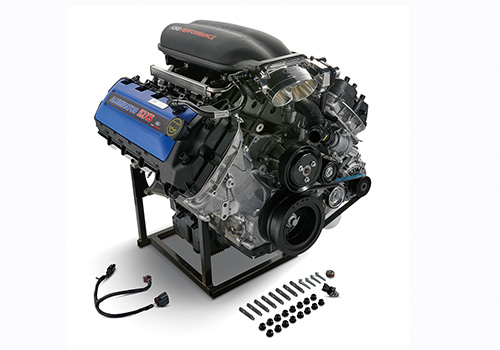
At their core, a crate engine is a totally constructed engine shipped in a defensive delivery crate. These motors are made to change active powerplants or serve as upgrades, frequently preconfigured with essential parts to streamline the installation process. They eliminate the requirement to improve or resource personal parts, making them an fascinating option for jobs requiring performance without compromising quality.

Crate engines can be found in varying configurations, from factory-spec alternatives to high-performance versions created for energy and speed. Their versatility has cemented their position as a go-to solution in the automotive neighborhood, catering to fanatics with diverse goals and vehicle types.

How Crate Engines Elevate the Automotive Experience
Crate motors simplify a procedure that typically requires numerous challenges. Perhaps the aim is to restore an automobile to their unique honor or transform it right into a efficiency powerhouse, these motors deliver amazing benefits:

Time Efficiency:
One of the standout options that come with crate engines is their pre-assembled nature. This enables aspects and fanatics to focus on the installation process rather than spending countless hours sourcing components and assembling components.

Consistency:
Factory-assembled small block chevy 350 crate engine undergo arduous testing to make sure quality and performance. This reduces uncertainties related to used or rebuilt engines, giving peace of mind to car owners.

Customization Potential:
Crate engines appeal to a variety of preferences. From stock-spec choices for everyday driving to high-performance designs for aggressive circumstances, they provide possibilities tailored to unique needs.

Increased Performance:
For these seeking more horsepower and torque, performance-focused crate motors are engineered with enhanced internals to deal with increased demands. That makes them perfect for racing, towing, or off-road applications.

Types of Crate Engines
The number of crate motors accessible reflects the varied needs of the automotive community. Knowledge the forms might help fanatics make educated decisions:

Factory Alternative Motors:
These motors are designed to match the first requirements of the vehicle's factory-installed motor. They're suitable for repairing older cars with their original performance criteria or exchanging a worn-out engine without adjusting the car's characteristics.

Efficiency Engines:
Performance crate motors are built for lovers seeking to drive the boundaries of rate and power. They have improved parts like high-compression pistons, enhanced camshafts, and performance-tuned tube heads.

Custom-Built Engines:
For special tasks, custom crate engines are tailored to generally meet unique requirements. Whether it's for a classic restoration or even a bespoke racing construct, these motors are made to arrange with specific efficiency goals.

Applications Across the Automotive Landscape
Crate motors are finding their invest a variety of automotive projects, underscoring their versatility and usefulness:

Classic Car Restorations:
Classic cars frequently need engine alternatives due to age or wear. Crate engines make it probable to restore these vehicles, ensuring they maintain their authenticity while increasing reliability.

Street Efficiency:
Enthusiasts looking to boost the efficiency of these everyday people may benefit from crate engines updated for improved power and torque. These engines transform the operating experience, offering easier velocity and more receptive handling.

Race and Competitive Develops:
High-performance crate engines are an addition in motorsport, providing the energy and toughness essential for challenging racing conditions. Built to take care of excessive stress, they are a preferred choice for professional and inexperienced racers alike.

Off-Road Activities:
Off-road cars require sturdy motors effective at giving torque and stability in tough environments. Crate motors built for off-road programs ensure vehicles can tackle solid terrains with confidence.

Leading Manufacturers and Their Offerings
Several companies dominate the market making use of their progressive crate engine solutions. Companies like Chevrolet Efficiency, Honda Racing, and Mopar present intensive catalogs catering to various needs. These models have attained their status for delivering reliable and high-performance motors that arrange with market standards.

Smaller, specialized builders also subscribe to a, giving tailored answers for distinctive projects. They focus on quality and awareness of detail, ensuring their engines meet the exact needs of custom builds.

Important Factors to Consider
Choosing the proper crate engine involves cautious evaluation of multiple facets:

Compatibility: Ensuring the engine suits the vehicle's specifications is vital for a seamless installation.
Efficiency Goals: Determining the intended use—whether for daily driving, race, or restoration—assists narrow down the options.
Budget: Crate engines come in a broad budget range, from affordable replacements to premium high-performance units.
Trustworthiness of Producer: Picking a trusted manufacturer assures quality and help through the process.
Guarantee and Support: A good warranty provides a level of protection, specifically for efficiency develops that test the limits of engineering.
Crate motors are reshaping the way cars are improved and repaired, giving a practical yet powerful alternative for enthusiasts. Their ability to combine reliability, performance, and adaptability assures they stay in the middle of numerous automotive projects.