How White Shaker Cabinets Enhance Your Home’s Curb Appeal

You might not realize how much White Shaker cabinets can transform your home’s curb appeal until you see them in action. Their clean lines and bright finish create an inviting atmosphere that can complement any exterior style. As you consider ways to enhance your entryway or outdoor spaces, these cabinets offer a versatile solution that marries both functionality and aesthetics. But what specific elements make these cabinets stand out, and how can they impact your home’s overall value? Let’s explore the details that could make a significant difference.

Timeless Appeal of White Shaker Cabinets

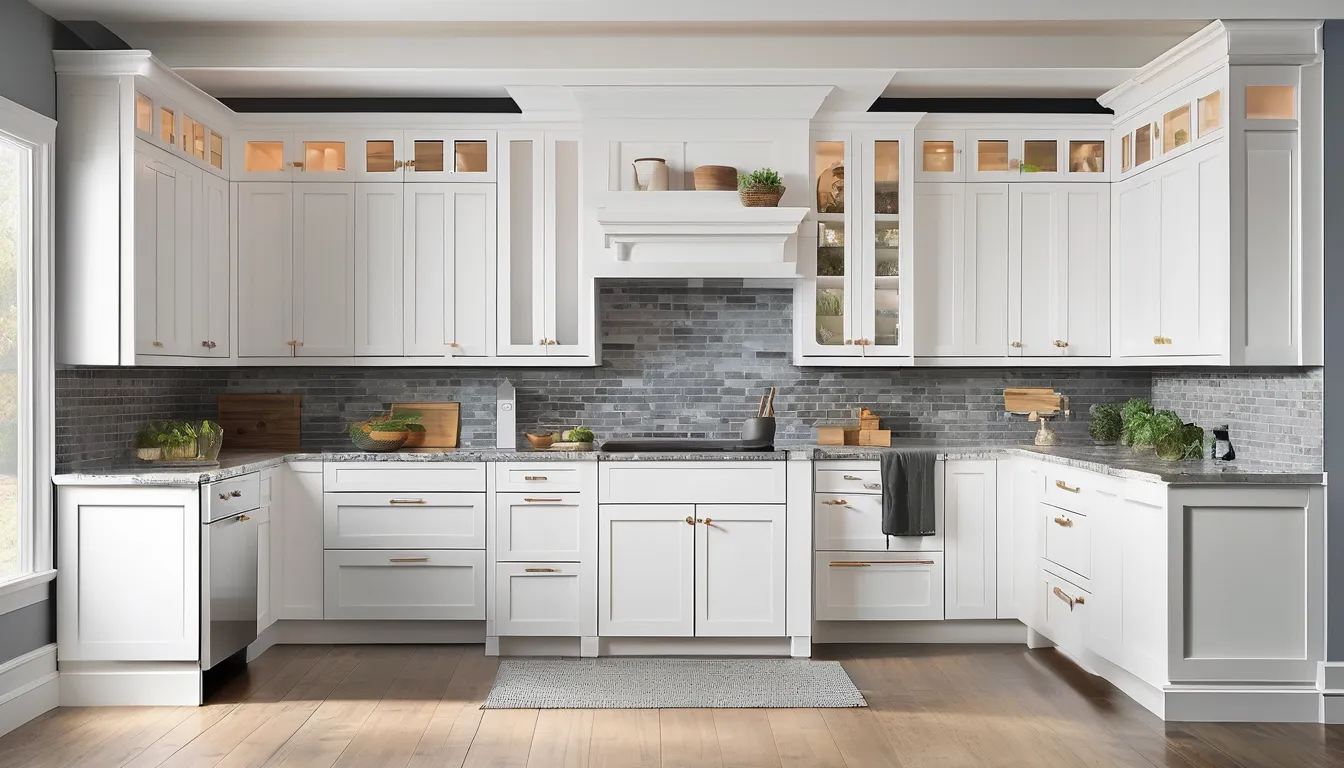
White shaker cabinets have an undeniable charm that complements any kitchen or bathroom style, making them a popular choice for homeowners. Their clean lines and simple design create a classic look that never goes out of style. When you choose white shaker cabinets, you’re investing in a timeless aesthetic that enhances your home’s overall appeal.

One of the standout features of these cabinets is their versatility. Whether you’re aiming for a modern, rustic, or traditional vibe, white shaker cabinets fit seamlessly into any theme. They provide a neutral backdrop, allowing you to experiment with different colors and textures in your decor.

You’ll find that their understated elegance can elevate the look of your space without overwhelming it.

Moreover, the white finish brightens up your kitchen or bathroom, making the area feel more open and airy. This brightness not only enhances the visual appeal but also creates a welcoming atmosphere for family and guests alike.

Opting for white shaker cabinets means you’re choosing a stylish option that stands the test of time, ensuring your home remains inviting and trendy for years to come.

Versatility for Various Spaces

Shaker cabinets offer incredible versatility, making them an ideal choice for a variety of spaces in your home.

Whether you’re updating your kitchen, bathroom, or laundry room, these cabinets seamlessly blend with different styles and aesthetics. Their clean lines and minimalist design allow them to fit beautifully in modern, traditional, or even rustic settings.

In the kitchen, white white shaker cabinet cabinets create an inviting and airy atmosphere, maximizing natural light and making the space feel larger. They work well with various countertop materials, from marble to butcher block, allowing you to personalize your kitchen’s look.

In bathrooms, these cabinets can add a touch of elegance. Their simple design complements various tile patterns and colors, providing a stylish storage solution for toiletries and towels.

When it comes to laundry rooms, Shaker cabinets help you maintain organization and efficiency. You can customize them with shelving or pull-out drawers to keep your space neat and functional.

Enhancing Entryways and Exteriors

Transforming your entryway or exterior with white Shaker cabinets can significantly boost your home’s curb appeal. These cabinets aren’t just for kitchens and bathrooms; they can create a warm, inviting atmosphere right at your front door.

Imagine sleek, white Shaker cabinets framing your entryway, providing both style and storage. You can use these cabinets to hide shoes, bags, or outdoor gear, keeping your entry clean and organized.

When you step outside, a cabinet that complements your front porch or patio can unify the look of your home. The crisp lines and classic finish of white Shaker cabinets will enhance your existing architecture, making your home feel more polished.

Additionally, you can add decorative hardware that reflects your personal style, elevating the overall aesthetic. Pairing these cabinets with vibrant plants or seasonal décor can create a stunning first impression for guests.

Whether you’re renovating or just looking to refresh your exterior, white Shaker cabinets offer a timeless choice that balances functionality and beauty.

In no time, your entryway won’t only be more practical but will also reflect your home’s character, enticing visitors and passersby alike.

Creating a Cohesive Design

Incorporating white Shaker cabinets into your home’s design not only enhances functionality but also paves the way for a cohesive aesthetic throughout your space.

These cabinets provide a classic, timeless look that blends seamlessly with various design styles, from modern to traditional. To achieve that unified vibe, consider these essential elements:

  • Color Palette: Stick to a consistent color scheme. White Shaker cabinets work beautifully with neutral tones, pastels, or even bold accents to create visual harmony.
  • Materials: Use complementary materials throughout your space. Pairing wood or metal finishes with your cabinets can tie the entire design together, enhancing the overall feel.
  • Hardware: Choose hardware that reflects your style. Whether it’s sleek chrome, matte black, or antique bronze, consistent hardware can elevate the cabinets and link them to other features in your home.

Increasing Property Value and Attractiveness

Installing white Shaker cabinets can significantly boost your property’s value and curb appeal. These timeless designs attract potential buyers and give your home a fresh, modern look. When you choose white Shaker cabinets, you create a clean and inviting atmosphere that resonates with a wide audience.

The versatility of white Shaker cabinets allows them to blend seamlessly with various design styles, from farmhouse to contemporary. This adaptability means that whether you’re planning to sell soon or you’re just looking to enhance your living space, these cabinets can elevate your home’s overall aesthetic.

Moreover, investing in quality cabinetry also signals to buyers that you’ve taken care of your home, increasing their willingness to pay a premium. You’ll find that homes featuring well-designed kitchens with white Shaker cabinets often sell faster and at higher prices.

Additionally, the simple yet elegant design of Shaker cabinets can serve as a backdrop for your kitchen or bathroom decor, making it easier for potential buyers to envision their own style.

Conclusion

Incorporating White Shaker cabinets into your home really boosts your curb appeal. Their timeless design and versatility allow you to create a welcoming atmosphere that complements your style. By enhancing entryways and exteriors, these cabinets not only elevate your home’s appearance but also create a cohesive look throughout your space. Plus, with their added charm, you might even see an increase in your property’s value. So, consider adding these cabinets for a lasting impression on visitors!

Viognier Wine 101 Everything You Need to Know About This Elegant White

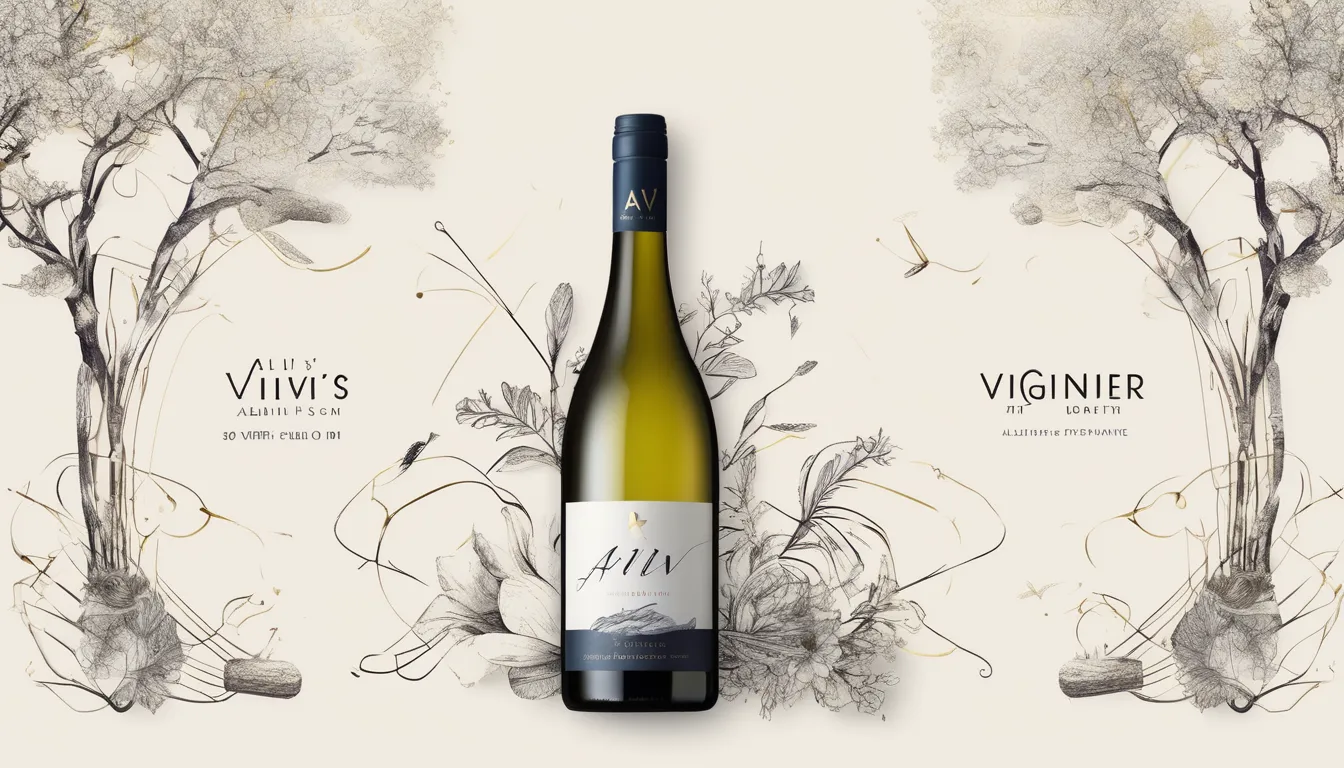
When you consider white wines, Viognier often stands out with its aromatic profile and rich textures that can elevate any dining experience. Originating from the Rhône Valley in France, this wine offers a captivating blend of floral and fruity notes. You might wonder how this elegance translates into food pairings or what makes it thrive in certain climates. Understanding these aspects can enhance your appreciation and enjoyment of Viognier, so let’s explore its history and uncover the nuances that set it apart from other whites.

History of Viognier

Viognier’s history is as rich and complex as the wine itself. Originating in the Rhône Valley of France, this grape variety has roots tracing back to ancient times.

You’ll find that the name “Viognier” may have derived from the Latin term “via geva,” meaning “the road of the vine,” suggesting its long-standing relationship with vineyards and winemaking.

In the 1960s, Viognier faced near extinction, as fewer producers cultivated it. However, thanks to a few dedicated winemakers who recognized its potential, the grape made a remarkable comeback.

You can appreciate how these pioneers revived interest in Viognier, leading to its spread beyond France.

Today, Viognier’s grown in various regions around the world, from California to Australia, each showcasing its unique terroir.

By the 1990s, it became a staple in many wine lists, celebrated for its floral aromas and lush texture.

As you delve into Viognier’s past, you realize its journey reflects the dedication of those who believed in its exquisite qualities.

Flavor Profile and Characteristics

With its fascinating history setting the stage, the flavor profile and characteristics of Viognier truly captivate wine enthusiasts. This elegant white wine is renowned for its aromatic complexity, offering a bouquet of floral notes like honeysuckle and jasmine.

When you take a sip, expect to be greeted by flavors of ripe stone fruits, such as peach and apricot, combined with a hint of citrus. Some Viogniers even exhibit tropical fruit notes, like pineapple or mango, making them feel refreshingly vibrant.

The texture of Viognier is another standout feature. You’ll often find it to be rich and full-bodied, with a creamy mouthfeel that lingers pleasantly.

Depending on the winemaking techniques, you might encounter varying levels of oak influence, which can introduce subtle notes of vanilla or spice, deepening the overall complexity.

Acidity in Viognier tends to be moderate, providing balance without overwhelming the fruit flavors. This wine pairs beautifully with dishes that include seafood, creamy sauces, or Asian cuisine, enhancing your dining experience.

Ideal Growing Conditions

To produce exceptional Viognier, the grape thrives in specific growing conditions that nurture its unique qualities. You’ll find that Viognier flourishes in warm climates, where it can fully ripen and develop its signature aromatic profile. Regions like the Rhône Valley in France, parts of California, and Australia’s Adelaide Hills offer the ideal balance of warmth and sunlight.

Well-drained soils are crucial, as they prevent excess moisture that can lead to disease. You’ll want to look for sandy or rocky soils, which help promote the vine’s root development.

Additionally, good air circulation is essential; it minimizes humidity and reduces the risk of rot.

When it comes to water, moderate irrigation is key. Over-watering can dilute the grape’s intense flavors, while drought conditions can stress the vine, leading to lower yields. Ideally, you should aim for a balance that allows the vines to thrive without compromising quality.

Lastly, late harvests are often beneficial for Viognier, allowing the grapes to develop their characteristic richness and complexity.

Food Pairing Recommendations

When you’re ready to enjoy a glass of Viognier, consider what dishes will complement its vibrant character. This wine’s aromatic profile, featuring notes of peach, apricot, and floral undertones, pairs beautifully with a variety of foods.

Start with seafood. Grilled shrimp, scallops, or a light fish like halibut will enhance the wine’s fruity essence.

If you’re in the mood for something heartier, try a creamy pasta dish or chicken in a white wine sauce. The wine’s acidity cuts through the richness, balancing each bite.

Vegetarian options work well too. Dishes like butternut squash risotto or roasted vegetables drizzled with olive oil can highlight Viognier’s floral notes.

For a more exotic twist, consider Thai or Indian cuisine; the spice will harmonize with the wine’s sweetness.

Serving and Storage Tips

Although Viognier is best enjoyed fresh, knowing how to serve and store it can enhance your experience.

Start by chilling your Viognier to the right temperature—ideally between 50°F and 55°F. A quick 30 minutes in the refrigerator or about 15 minutes in an ice bucket should do the trick. This cooler temperature helps to accentuate the wine’s floral notes and vibrant acidity.

When it comes to serving, use a standard white wine glass. This shape allows the aromas to concentrate, making sure you enjoy every nuance. Pour about a third of the glass full to give it some room to breathe.

For storage, keep your Viognier in a cool, dark place, ideally around 55°F. Lay the bottles on their sides to keep the cork moist.

If you’re planning to drink it within a year or two, you can store it upright, but avoid direct sunlight and fluctuations in temperature.

Conclusion

In summary, Viognier is a delightful white wine that enchants with its floral aroma and rich fruit flavors. Understanding its history, flavor profile, and ideal growing conditions can enhance your appreciation for this elegant varietal. Whether you’re pairing it with seafood or creamy dishes, it never disappoints. Remember to serve it chilled and store it properly for the best experience. So, go ahead and explore the world of vioginier wines —you won’t be disappointed!

Explore the Richness of Ribera Del Duero Reserve Wines Bold  Elegant  and Timeless

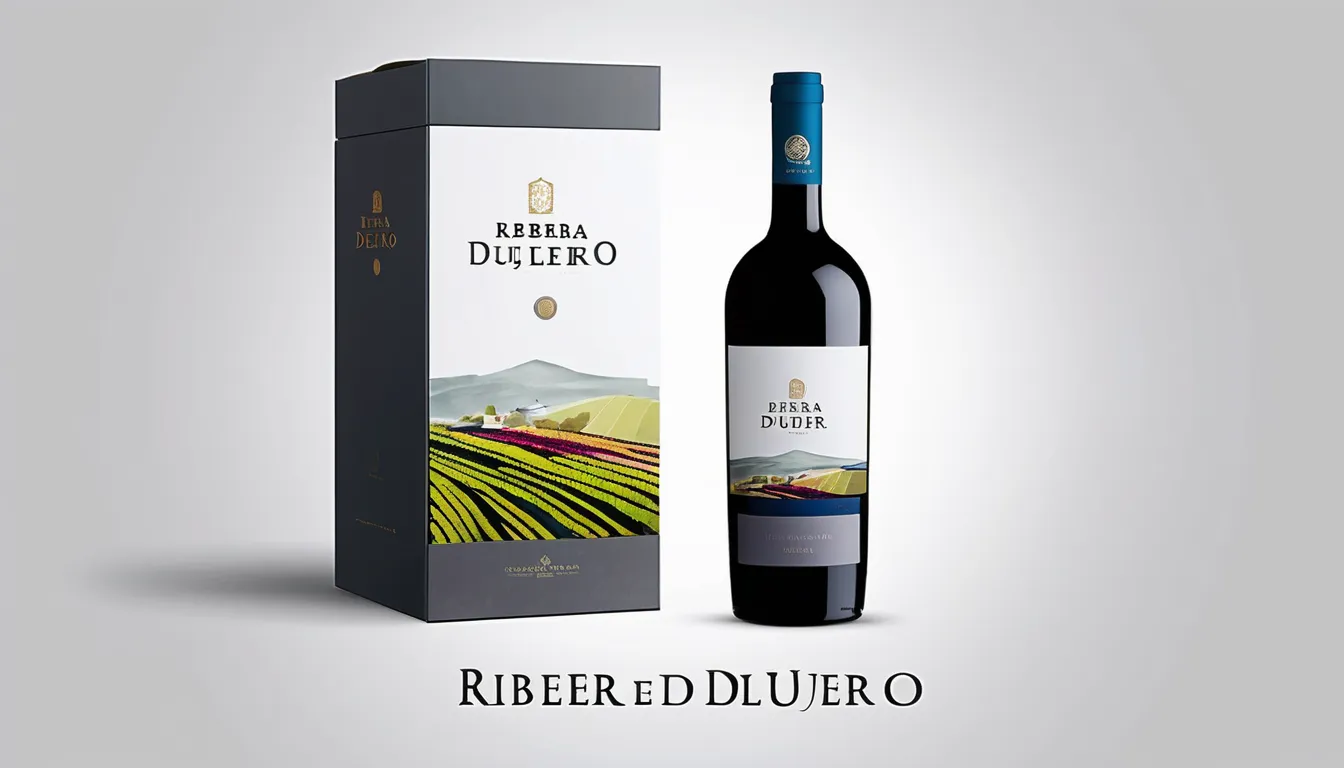
When you think of Ribera Del Duero reserve wines, you’re stepping into a world where bold flavors and elegant craftsmanship intertwine. These wines, primarily made from varietals like Tempranillo, offer a unique expression of their terroir, reflecting centuries of winemaking tradition. The deep, rich notes of ripe fruits paired with subtle spices create an experience that invites both seasoned enthusiasts and curious newcomers to explore further. But what truly sets these wines apart in today’s market? Let’s uncover the factors that contribute to their timeless appeal.

History of Ribera Del Duero

Although the Ribera del Duero region may not be as famous as some other Spanish wine areas, its rich history has significantly shaped the world of wine.

You’ll find that winemaking in this area dates back to Roman times, when vineyards flourished along the banks of the Duero River. The strategic location allowed for easy transportation of wine, fostering an early appreciation for the quality that this region could produce.

Throughout the centuries, the Ribera del Duero has seen various influences, including the monks of the Middle Ages who cultivated the land, ensuring the craft of winemaking persisted.

By the 19th century, Ribera del Duero gained recognition for its bold, character-driven wines, thanks to innovative techniques that improved quality.

In 1982, the region earned its Denominación de Origen (DO) status, marking a turning point that solidified its reputation.

You can appreciate how this designation encouraged producers to focus on quality, leading to the creation of the iconic Reserva wines you enjoy today.

The legacy of Ribera del Duero is a testament to its historical significance, and every sip of its wines connects you to that remarkable journey.

Terroir and Its Influence

The unique terroir of Ribera del Duero plays a crucial role in shaping the character and quality of its reserve wines. The region’s diverse soil types, elevation, and climate create distinct conditions that allow for an exceptional expression of the grape varieties grown here.

When you sip a Ribera del Duero reserve wine, you’re tasting the result of this intricate relationship between the land and the vines.

Here are some key factors that contribute to the terroir:

  • Soil Composition: Predominantly clay and limestone, which provide excellent drainage and mineral complexity.
  • Altitude: Vineyards range from 750 to 1,000 meters above sea level, allowing for temperature variations that enhance grape ripening.
  • Climate: The region experiences a continental climate, with hot summers and cold winters, promoting balanced acidity and rich flavors.
  • Tradition: Generations of winemakers have honed their craft, respecting the land while embracing modern techniques.

These elements combine to create wines that aren’t only bold and elegant but also reflect the timeless essence of Ribera del Duero.

Understanding this terroir deepens your appreciation for every bottle.

Key Varietals in Reserve comprar vino Ribera del Duero s

Ribera del Duero is renowned for its bold wines, and at the heart of its reserve offerings are a few key grape varietals that define the region’s character. The most prominent varietal you’ll encounter is Tempranillo, known for its rich flavors of dark fruit, spice, and elegant tannins. This grape thrives in the region’s climate and produces wines that age beautifully, showcasing complexity and depth.

Another important varietal is Cabernet Sauvignon, which adds structure and boldness to the blends. Its presence brings notes of blackcurrant and cedar, complementing the Tempranillo splendidly. Meanwhile, Merlot offers softness and velvety textures, enhancing the overall harmony of reserve wines.

Here’s a quick overview of these key varietals:

Varietal Flavor Profile Characteristics
Tempranillo Dark fruit, spice, leather Rich, well-structured, age-worthy
Cabernet Sauvignon Blackcurrant, cedar, herbal Bold, full-bodied, tannic
Merlot Plum, chocolate, herbal Soft, approachable, smooth

Together, these varietals contribute to the bold elegance that makes Ribera del Duero’s reserve wines truly timeless.

Tasting Notes and Pairings

When you take a moment to savor a Ribera del Duero reserve wine, you’re in for an experience that delights the senses. These wines often showcase deep, rich flavors and aromas, reflecting the unique terroir of the region. You might notice notes of ripe blackberries, dark cherries, and plums, along with hints of leather, spice, and a touch of oak.

The tannins are typically robust yet smooth, leading to a lengthy, satisfying finish.

To enhance your tasting experience, consider pairing your Ribera del Duero reserve wine with the following:

  • Grilled lamb chops, which complement the wine’s boldness.
  • A rich, aged cheese, like Manchego, to balance the wine’s acidity.
  • Dark chocolate desserts, which mirror the wine’s dark fruit flavors.
  • Hearty stews or braised meats, perfect for warming up during colder months.

Each of these pairings will deepen your appreciation for the wine’s complexity, making your tasting journey even more enjoyable.

The Future of Ribera Del Duero

How will Ribera del Duero continue to evolve in the coming years? As consumer preferences shift towards sustainability and organic practices, you can expect the region to embrace eco-friendly viticulture. Many wineries are already transitioning to organic and biodynamic farming, ensuring higher quality grapes while preserving the unique terroir.

You’ll also notice a push for innovation in winemaking techniques. Winemakers are experimenting with different aging processes and blending practices, resulting in wines that showcase the diverse expressions of Tempranillo. This experimentation can lead to more exciting and varied offerings on the market.

Additionally, Ribera del Duero’s reputation is growing globally, attracting wine enthusiasts and investors alike. This increased interest may boost tourism, enhancing your experience as you delve deeper into local culture and gastronomy.

You might also find that the region’s younger winemakers are bringing fresh perspectives, infusing modern ideas while respecting traditional methods. As they focus on both quality and storytelling, you’ll likely encounter wines that resonate with a broader audience.

In essence, the future of Ribera del Duero is bright, promising a blend of tradition and innovation that will enrich your wine journey.

Conclusion

Ribera Del Duero reserve wines invite you on a journey where boldness meets elegance. With their rich history, unique terroir, and standout varietals, these wines promise an unforgettable tasting experience. Whether you’re a seasoned wine lover or just starting to explore, you’ll find something captivating in each sip. As you indulge in the deep flavors and complex aromas, you’ll appreciate the timeless quality that makes Ribera Del Duero a true gem in the world of wine.

The Art of Opening and Closing The Role of Stage Curtains in Theatrical Timing

You might not think about it, but stage curtains play a crucial role in shaping the theatrical experience. As they rise and fall, they not only mark the beginning and end of a performance, but they also manipulate timing to heighten suspense and engage the audience. A slow ascent might pull you into the story, while a sudden drop can leave you breathless. Consider how these moments can transform a simple scene into something unforgettable, and you’ll start to appreciate the nuances of theatrical timing. What happens when those curtains close?

Importance of Stage Curtains

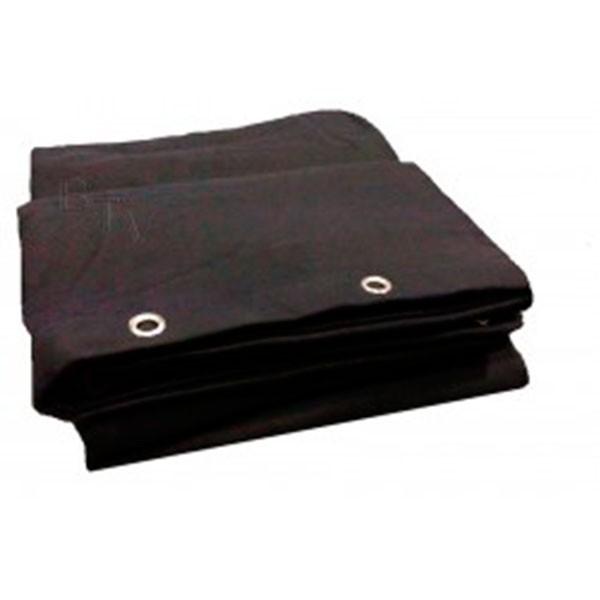
Although you mightn’t think about them often, stage curtains play a crucial role in theatrical productions. They aren’t just decorative elements; they serve several important functions that enhance the overall experience for both the audience and the performers.

First, they help create a sense of anticipation and excitement before the show begins. When the curtains close, you’re left in suspense, eager to see what’s behind them.

Moreover, stage curtains provide a practical solution for scene changes. They allow for smooth transitions between acts, ensuring that the audience remains engaged without unnecessary distractions. When the curtains draw, you can appreciate the artistry of the set design, which might otherwise be overlooked.

Additionally, curtains help control the lighting and sound, creating a controlled environment that enhances the performance. By absorbing noise and light, they help maintain the illusion of the world within the play.

The Opening Moment

As the lights dim and the audience hushes, the moment just before the curtain rises is electric with anticipation. You can almost feel the collective breath held in the theater. This is a time when the stage is set not only for the action to unfold but for the emotions to ignite.

The opening moment is crucial, as it lays the groundwork for everything that follows. To maximize this moment, consider these key elements:

  • Set Design: A visually striking set grabs attention immediately.
  • Lighting: Use lighting to highlight specific areas or create a mood.
  • Sound: A subtle sound cue can pique curiosity and enhance anticipation.
  • Actors’ Positioning: Where actors stand can communicate unspoken dynamics.
  • Curtain Movement: The speed and manner in which the curtain rises can evoke excitement or tension.

This initial moment invites the audience into the world you’ve created, establishing the tone and drawing them into the story.

It’s not just a transition; it’s an invitation to embark on a journey, and it’s your chance to make an unforgettable impression.

Building Suspense and Tension

To build suspense and tension effectively, you need to manipulate the pacing of your narrative and the audience’s expectations. Use the stage curtains to create a sense of anticipation. As the curtain rises, allow the audience brief glimpses into the unfolding drama, but don’t reveal everything at once. This strategy keeps them guessing.

Timing is crucial. You can draw out moments of silence or hesitation, allowing the audience to feel the weight of uncertainty. A sudden pause right before a climactic reveal can amplify their emotional investment.

Play with the rhythm of dialogue, slowing it down when tension peaks, then abruptly shifting gears to surprise them.

Additionally, utilize the curtains strategically. A slow, deliberate closing before a key scene can heighten anxiety, while a sudden lift of the curtain can jolt the audience, thrusting them into the action.

Employ lighting changes or sound cues during these transitions to enhance the atmosphere further.

The Closing Experience

Creating a memorable closing experience leaves a lasting impression on the audience, wrapping up the narrative with a sense of resolution. As the final act unfolds, you have the opportunity to evoke emotions and solidify the themes of your production.

The stage curtains play a crucial role in this moment, signaling the end while allowing the audience to absorb the journey they’ve just witnessed.

To enhance this closing experience, consider these elements:

  • Symbolism: Use the curtain as a metaphor for closure, inviting reflection on the story’s journey.
  • Pacing: Allow a brief pause before the curtain falls, giving the audience time to process what they’ve seen.
  • Lighting: Dim or spotlight the stage to create a dramatic effect, emphasizing the final moments.
  • Music: Choose a poignant score to accompany the closing, reinforcing emotional connections.
  • Audience Interaction: Engage the audience with a final acknowledgment, leaving them feeling included in the experience.

Timing and Audience Engagement

Effective timing is essential for engaging the audience throughout a theatrical performance. Your mastery of when to reveal or conceal action can significantly impact how the audience feels and responds. By using stage curtains strategically, you create suspense, surprise, and emotional resonance.

Consider the following elements of timing that enhance audience engagement:

Timing Element Audience Impact
Opening a scene slowly Builds anticipation
Quick curtain drops Creates surprise
Delayed reveals Heightens emotional tension
Extended pauses Invites reflection
Closing with a flourish Leaves a lasting impression

Every moment on stage is a chance to connect. If you rush through transitions, you risk losing the audience’s attention. Conversely, well-timed pauses allow them to process emotions and react. Think about how you can manipulate the telones para scenarios to control the rhythm of your storytelling.

Ultimately, your timing not only dictates the flow of the performance but also shapes the audience’s experience. When you get it right, you’ll find them fully immersed, waiting for the next moment to unfold.

Conclusion

In theater, the magic of stage curtains goes beyond mere fabric; they’re your tools for crafting unforgettable moments. You can elevate the opening and closing of a performance, drawing your audience in or leaving them breathless. By mastering the timing of these transitions, you’ll not only enhance emotional impact but also create a deeper connection with your viewers. So, embrace the art of opening and closing—your audience will thank you for the unforgettable experience.

Choosing the Right Breast Milk Fridge Features and Benefits for New Parents

As a new parent, you know how crucial it is to preserve your breast milk’s quality. Choosing the right fridge can make all the difference, and it’s not just about finding one that fits in your kitchen. You’ll want to consider features like temperature control and energy efficiency to keep things running smoothly. Plus, understanding the importance of a dedicated space for your milk can alleviate a lot of stress. But, what specific features should you prioritize to ensure both safety and convenience?

Importance of a Dedicated Fridge

When it comes to storing breast milk, setting aside a dedicated fridge can make all the difference. Having a specific refrigerator for your breast milk helps maintain its quality and safety, ensuring your little one gets the best nutrition possible.

It eliminates the risk of accidental spoilage that can occur when milk is stored alongside other foods. A dedicated fridge gives you peace of mind, knowing that your milk is properly stored at the right temperature. You won’t have to worry about family members accidentally moving or using your milk, which can be a common concern in shared spaces.

Plus, it makes organization easier; you can designate shelves or bins specifically for your breast milk, making it simple to find and access whenever you need it. Additionally, a separate fridge can help you manage your milk supply more effectively.

You can easily monitor how much you’ve pumped and track the dates, which is crucial for freshness. Ultimately, investing in a dedicated fridge is a smart choice that supports both your breastfeeding journey and your baby’s health.

Key Features to Consider

Choosing the right fridge for storing breast milk involves several key features that can enhance your experience.

First, consider the temperature control options. A fridge with precise temperature settings allows you to maintain the ideal storage temperature for breast milk, which is typically between 32°F and 39°F. Look for a model with a digital display for easy monitoring.

Next, think about the interior layout. A fridge with adjustable shelves or compartments can help you organize bottles efficiently, making it easier to access what you need quickly.

Also, check for doors that seal tightly to maintain the internal temperature and prevent odors.

Additionally, consider the noise level of the fridge. You’ll want a model that operates quietly, especially if it’s located near your baby’s sleeping area.

Lastly, think about the ease of cleaning. A fridge with removable shelves Vaccine Refrigeration smooth surfaces will make it easier to maintain hygiene, which is crucial for safely storing breast milk.

Energy Efficiency and Size

Energy efficiency and size are crucial factors to consider when selecting a fridge for breast milk storage. You want a fridge that consumes less energy, as this can significantly impact your monthly utility bills.

Look for models that have an Energy Star rating, which indicates they meet strict energy efficiency guidelines. This way, you can save money while also being environmentally conscious.

Size is equally important. Think about how much breast milk you’ll be storing and the space available in your home. If you plan to pump frequently, a larger fridge might be necessary to accommodate the growing supply.

However, if space is limited, consider compact models that still offer adequate storage without taking up too much room.

Remember to check the interior layout as well; adjustable shelves or door bins can help maximize your storage options.

It’s all about finding the right balance between size, energy efficiency, and functionality. Ultimately, investing in a fridge that meets these criteria will ensure you have a reliable and cost-effective solution for storing your breast milk safely.

Safety and Storage Guidelines

Storing breast milk safely is vital for your baby’s health, and following proper guidelines ensures it remains nutritious. First, always wash your hands before expressing or handling breast milk. Use clean containers specifically designed for storing breast milk, such as BPA-free bottles or bags.

When it comes to storage, keep your breast milk in the fridge at 39°F (4°C) or lower. It’s best to store it in the back, where the temperature is most consistent. Freshly expressed milk can be stored in the fridge for up to four days. If you need to store it longer, consider freezing it. Breast milk can be frozen for six months for best quality, and up to 12 months is acceptable.

Label your milk containers with the date and time of expression. This helps you use the oldest milk first.

When thawing, do so in the fridge or use warm water—never microwave it, as this can create hot spots. Lastly, never refreeze thawed milk.

Budgeting for Your Purchase

When budgeting for your breast milk fridge, it’s essential to consider both the initial cost and ongoing expenses. Start by researching different brands and models to find one that fits your needs without breaking the bank. Prices can range from a couple of hundred to over a thousand dollars, so set a realistic budget based on your financial situation.

Next, think about energy consumption. Some fridges are more energy-efficient than others, which can save you money in the long run. Check the energy ratings and estimate how much you’ll likely spend on electricity annually.

Don’t forget to factor in any additional accessories, like storage bags or freezer bins, which may be necessary for optimal organization.

Conclusion

In conclusion, choosing the right breast milk fridge is crucial for ensuring your milk stays safe and fresh. By focusing on key features like temperature control, energy efficiency, and proper storage guidelines, you can make an informed decision that suits your family’s needs. Investing in a dedicated fridge not only protects your milk supply but also gives you peace of mind. So take your time, weigh your options, and find the perfect fridge to support your breastfeeding journey.