AQ

Boost Production with AI-Enhanced Presentation and Translation Solutions

Enhanced Customer Service AI-enhanced presentation and translation instruments are transforming how corporations interact with their customers. In a worldwide marketplace, providing customer support in numerous languages is essential for building trust and loyalty. AI-powered alternatives may immediately translate customer inquiries, allowing corporations to provide help in real-time, regardless of the language. That leads to quicker response instances, improved customer satisfaction, and better over all experiences.

For example, applying AI-powered chatbots with speech and translation features enables businesses to help consumers from all over the world without having to employ additional multilingual staff. These chatbots are designed for customer queries in numerous languages, understand speech, and provide quick solutions.

Price Efficiency Usually, firms will have to employ multiple human translators or multilingual personnel to control interaction across various languages. AI-enhanced translation technology drastically reduces these fees by providing a scalable, computerized solution. Companies can include these resources within their active programs, enabling interpretation at a fraction of the cost of choosing individual translators or outsourcing interpretation services. Moreover, AI-enhanced presentation recognition and translation methods require minimal maintenance and are designed for a top level of knowledge, making them a cost-effective alternative for firms of all sizes.

Faster Worldwide Growth Entering international areas may be difficult due to the language barriers that occur between organizations and their possible customers. AI-enhanced presentation and translation technology will help overcome these hurdles by permitting businesses to localize their marketing attempts, sites, and product explanations easily and accurately. By communicating in the indigenous languages of their target markets, firms can construct tougher associations with global customers, raising their odds of achievement in new regions.

More over, AI interpretation resources can help in knowledge appropriate requirements and company rules in numerous places, ensuring that organizations can operate smoothly in new markets without the danger of miscommunication or legitimate errors.

Real-Time Collaboration and Multinational Teamwork For organizations with clubs dispersed across the world, transmission is often a challenge. AI-enhanced speech and translation methods ensure it is possible for team customers who speak different languages to collaborate in actual time. Instruments such as for example Microsoft Clubs, Move, and Google Match are now adding AI-powered speech-to-text and translation characteristics, enabling multilingual groups to participate in conferences without the necessity for human translators.

This engineering fosters larger cooperation, enhances productivity, and ensures that language differences don’t become an obstacle to innovation. Workers from various countries and cultures may interact more successfully, sharing a few ideas and insights with no friction of language barriers.

Better Material Localization Businesses have to custom their content to regional readers to resonate with clients in different regions. AI-enhanced speech and interpretation resources offer sophisticated localization capabilities, enabling businesses to conform their websites, applications, advertising components, and more to specific languages and cultural contexts. AI-powered resources can quickly discover regional variations in language and regulate content consequently, ensuring that the information is suitable and culturally relevant.

For example, AI resources can not just change the text but also understand social nuances, idiomatic words, and regional vocabulary, creating the translated material more relatable and engaging for the prospective audience. This brings to raised engagement rates and stronger associations with local consumers.

Structured Organization Operations AI-enhanced speech and interpretation methods could be built-into numerous business processes, from legitimate documentation to worker training, to improve operations. For instance, these instruments may be used to quickly change agreements, instructions, or studies, letting corporations to speed up workflows and minimize the chance of misunderstandings because of language differences.

More over, these methods can be utilized for teaching personnel in different languages, ensuring that working out components are accessible to a global workforce. AI-driven options can also help organizations standardize operations across parts, ensuring that workers, regardless of their spot, obtain regular and accurate information.

Key AI Speech and Interpretation Resources

Google Cloud Speech-to-Text and Interpretation API: Offers strong presentation recognition and real-time Self Hosted Machine Translation abilities, with help for numerous languages and accents.

Microsoft Azure Cognitive Solutions: Offers AI-powered presentation acceptance, interpretation, and text analytics to help corporations connect effectively across borders.

Amazon Transcribe and Turn: These solutions give correct speech-to-text transcription and device interpretation, rendering it more straightforward to incorporate multilingual connection in to any company platform.

DeepL: A highly regarded AI translation software noted for their contextually precise translations, specially in complex documents.

iTranslate: A mobile-friendly AI-powered translation software that gives speech recognition, voice interpretation, and real-time discussion translation.

AI-enhanced presentation and translation methods are transforming the way organizations run, talk, and connect to world wide markets. By leveraging these advanced technologies, companies may breakdown language barriers, increase customer support, and grow into new parts with greater ease. Whether you’re a small business looking to interact with global clients or a large organization seeking to streamline worldwide operations, AI-driven speech and translation tools provide an effective, scalable, and cost-effective solution.

As artificial intelligence continues to evolve, the future of presentation and translation engineering is only going to be more superior, enabling businesses to talk more successfully and compete on a worldwide scale. Now is the time for you to grasp these methods and convert your business for the multilingual world.

Vaping and Smoking Cessation: Can it Help You Quit?

While reputable suppliers work with food-grade compounds, fears continue being pertaining to prospective long-term well being effects. Investigation in the security associated with these components remains changing, and consumers need to training extreme care when choosing goods along with be familiar with almost any possible hypersensitive reactions or perhaps sensitivities.

Regulatory Panorama: The actual vaping marketplace is be subject to developing polices as well as appropriate frameworks. Legislation with regards to the selling, marketing, and using throw-aways vape dog pens differ all over unique jurisdictions. It is crucial for end users to remain informed around the rules for their area and also stick to these individuals to make sure their particular basic safety and legalised compliance.

Non reusable vape pens are getting to be a hot selection for Ghost carts vaping fans due to their convenience and also user-friendly nature. Their compact size, pre-filled e-liquid refills, plus not enough repair get them to attractive to equally newbies and experienced vapers. Even so, the environmental impression associated with use-and-throw vape writing instruments and also overall health factors concerning may be craving in addition to compound wellbeing are not overlooked.

Because vaping business is constantly evolve, it is crucial intended for people being well-informed regarding the choices that they pick out and turn kept up to date about the most up-to-date research along with regulations. Brands might also want to prioritize sustainability as well as work at acquiring eco-friendly options to minimize digital waste. In the long run, the sensible by using disposable vape pens, joined with regulatory options and also extended scientific homework, can assist reach an equilibrium between the advantages as well as probable risks involved with these devices.

As the vaping field is constantly on the innovate, 1 pattern who has attained considerable footing is actually the use of non reusable vapes. All these stream-lined, pre-filled equipment give you a easy as well as hassle-free vaping experience. Here, we shall explore the concept of throw-aways vapes, studying their particular options, benefits, quality solutions, well being concerns, along with have an effect on a vaping industry.

Use-and-throw vapes, generally known as non reusable e-cigarettes or maybe use-and-throw electric nicotine shipping and delivery methods (ENDS), are single-use vaping products that can pre-filled with e-liquid you are able to built-in battery. They are made to be extracted once the e-liquid is definitely decreased and the electric battery dies. Throw-aways vapes are usually draw-activated, which means there won’t be switches for you to media or maybe configurations in order to adjust. Many people will be ready to utilize immediately outside the package deal, causing them to an attractive choice for beginners the ones seeking some sort of hassle-free vaping experience.

Comfort: The leading good thing about disposable vapes could be convenience. Many people are designed for quick employ as well as need virtually no assemblage, asking for, as well as refilling. People can simply take away the device by reviewing the presentation, breathe, and savor their particular vaping session. The following plug-and-play attribute would make throw away vapes a fantastic option if you favor a straightforward and user-friendly vaping experience.

Flexibility: Throw-aways vapes are exceedingly mobile due to their small dimensions and light-weight design. Their thin account along with lack of further pieces, including fish tanks or maybe independent batteries, get them to be hugely portable. Consumers can certainly move these individuals in a bank account, wallet, or perhaps tote, ensuring that his or her vaping device is continually within just reach.

Discreetness: Muha meds disposable vapes frequently look like standard smoking cigarettes bigger and look, leading them to highly discreet plus inconspicuous. The following distinct character permits buyers to take pleasure from their own vaping expertise with no attracting unwanted interest in public areas spots the place vaping may very well be constrained and also frowned upon.

Disposable vapes are available in several flavors, serving a diverse priorities of vapers. From regular smoking cigarettes and also menthol for you to spicey, treat, and beverage-inspired options, there is a essence for every single palate. The availability of assorted styles brings a component of enjoyment as well as choices for the vaping practical experience, permitting buyers for more information regarding diverse likes and discover their own favorites.

May be Content material: Disposable vapes can be found in many pure nicotine talents, which includes nicotine-free options. Though they could be a useful tool intended for tobacco users wanting to changeover away from classic tobacco, you should be mindful of may be consumption. Pure nicotine is usually an habit forming ingredient, plus customers ought to decide correct pure nicotine levels in which arrange by using cause real progress as well as preferences.

Compound Visibility: It is very important for people to understand the components contained in this e-liquids found in disposable vapes. Dependable brands present more information with regards to the constituents, making sure transparency and enabling people to generate informed choices. Reviewing regarding good quality confidence as well as third-party screening can offer more assurance regarding the safety of your products.

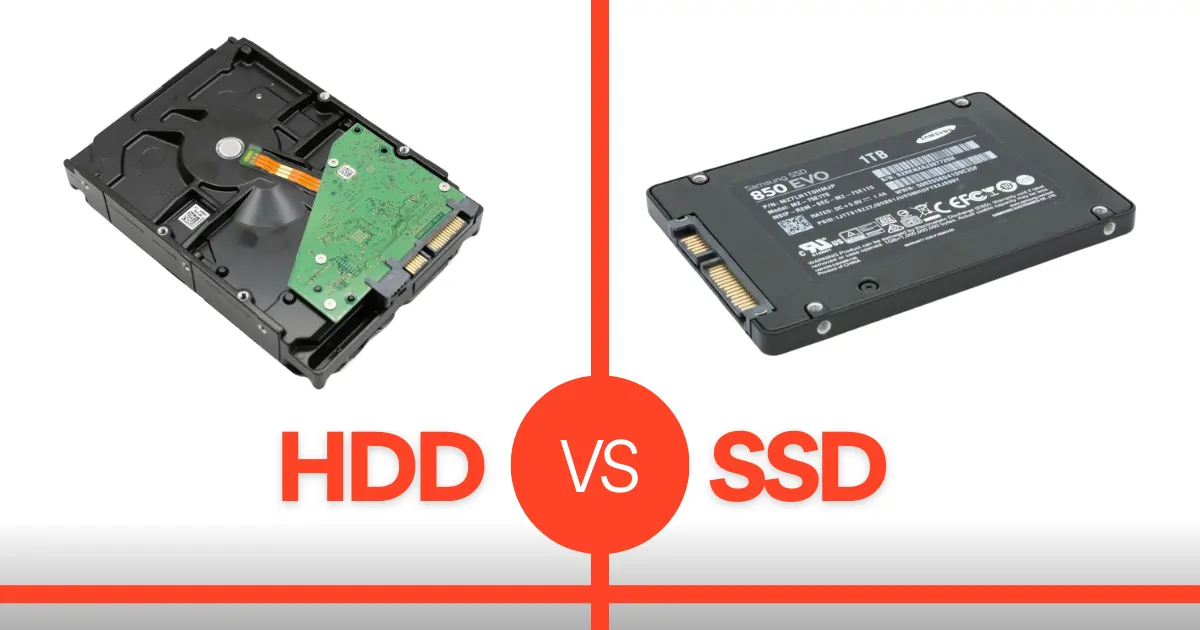
Benefits of SSD vs HDD

Benefits of SSD vs HDD: Understanding the Advantages

In the realm of computer storage, Solid State Drives (SSDs) and Hard Disk Drives (HDDs) represent two fundamentally different technologies. While both serve the essential function of storing data, their performance characteristics, durability, and overall efficiency vary significantly. This article explores the key benefits of SSDs over HDDs, providing a comprehensive comparison to help you understand why SSDs are often preferred in modern computing.

Performance and Speed

One of the most noticeable advantages of SSDs over HDDs is their superior performance and speed:

  • Faster Data Access: SSDs utilize flash memory to store data, allowing for near-instantaneous access times. This means that SSDs can read and write data much faster than HDDs, which rely on spinning disks and moving read/write heads. As a result, SSDs significantly reduce boot times, application loading times, and file transfer speeds, leading to a more responsive and efficient computing experience.
  • Improved System Responsiveness: The high speed of SSDs translates into improved overall system responsiveness. Tasks such as launching applications, opening files, and multitasking become noticeably quicker with an SSD. This enhancement is particularly beneficial for users working with large files or running demanding applications like video editing software and games.

Durability and Reliability

The physical differences between SSDs and HDDs contribute to differences in durability and reliability:

  • No Moving Parts: Unlike HDDs, which have mechanical parts such as spinning platters and read/write heads, SSDs have no moving components. This lack of mechanical movement makes SSDs more resistant to physical shocks and vibrations, reducing the risk of mechanical failure. SSDs are thus better suited for portable devices like laptops, where they can withstand movement and impacts.
  • Greater Reliability: SSDs generally offer greater reliability and longevity compared to HDDs. While both types of drives can wear out over time, SSDs are less prone to the type of mechanical failures that commonly affect HDDs. Additionally, SSDs are less affected by environmental factors such as temperature fluctuations, which can impact the performance of HDDs.

Energy Efficiency

Energy efficiency is another area where SSDs have a distinct advantage over HDDs:

  • Lower Power Consumption: SSDs consume significantly less power than HDDs. This is due to the absence of moving parts and the lower energy requirements of flash memory. Lower power consumption not only helps extend the battery life of portable devices like laptops but also reduces the overall energy footprint of desktop systems, leading to potential cost savings on electricity.

Noise and Heat Generation

The operational noise and heat generated by storage drives can impact the overall user experience:

  • Silent Operation: SSDs operate silently because they lack the mechanical components that produce noise in HDDs. This silent operation contributes to a quieter computing environment, which is especially appreciated in workspaces where noise reduction is important.
  • Reduced Heat Output: SSDs generate less heat compared to HDDs, which can produce considerable heat due to the spinning platters and mechanical activity. Lower heat output contributes to better thermal management within the computer, potentially extending the lifespan of other components and improving system stability.

Form Factor and Design Flexibility

SSDs offer greater flexibility in terms of form factors and design options:

  • Compact and Lightweight: SSDs are available in a variety of form factors, including the compact M.2 and NVMe (Non-Volatile Memory Express) designs. These smaller form factors allow for more innovative and space-efficient designs in laptops and desktops, supporting thinner and lighter devices.
  • Enhanced Design Possibilities: The flexibility in SSD design facilitates more efficient use of space within computer systems, enabling manufacturers to create sleeker and more powerful devices. The ability to integrate SSDs into smaller spaces also benefits users who need high-performance storage in compact devices.

6. Cost Considerations

While SSDs offer numerous benefits, their cost remains a consideration:

  • Price Per Gigabyte: Historically, SSDs have been more expensive per gigabyte compared to HDDs. However, the price gap has been narrowing, and SSDs are becoming more affordable as technology advances and production scales up. Despite the higher initial cost, the performance and reliability benefits of SSDs often justify the investment.

Conclusion

The advantages of SSDs over HDDs are clear in terms of performance, durability, energy efficiency, and design flexibility. SSDs provide faster data access, greater reliability, lower power consumption, and quieter operation, making them a preferred choice for modern computing needs. While cost remains a factor, the benefits of SSDs in enhancing system responsiveness and user experience often outweigh the price difference. As technology continues to evolve, SSDs are likely to become even more accessible, further solidifying their role as a superior storage solution.

How to Recover Lost Data

How to Recover Lost Data: A Comprehensive Guide

Losing important data can be a stressful experience, whether it’s due to accidental deletion, hardware failure, or a software glitch. Fortunately, there are several methods and tools available to help recover lost data. This article provides a detailed guide on how to recover lost data, covering preventive measures, data recovery tools, and steps to take based on different data loss scenarios.

Understand the Cause of Data Loss

Before attempting to recover lost data, it’s essential to understand the cause of the data loss. Common causes include accidental deletion, formatting errors, hardware failure, malware infections, and system crashes. Identifying the cause can help determine the appropriate recovery method. For instance, if data loss occurred due to accidental deletion, file recovery software may be effective. However, if the hard drive has failed physically, professional data recovery services may be required.

Stop Using the Affected Device

One of the crucial steps in data recovery is to stop using the affected device as soon as you realize data is lost. Continued use can overwrite the data you’re trying to recover, making it more difficult or even impossible to retrieve. If you’re dealing with a hard drive or external storage device, disconnect it from the computer to prevent further data loss. If the data is lost from a smartphone or tablet, avoid installing new apps or saving new files until recovery is attempted.

Use Data Recovery Software

For many data loss scenarios, data recovery software can be an effective solution. Here’s how to use data recovery software to attempt to recover lost files:

  • Choose the Right Software: Select a reputable data recovery software that is compatible with your operating system and supports the type of data you need to recover. Popular options include Recuva, EaseUS Data Recovery Wizard, and Disk Drill. Ensure that the software is trusted and has good reviews to avoid further issues.
  • Install and Run the Software: Install the data recovery software on a different drive than the one where the data was lost. This prevents overwriting the lost data. Launch the software and follow the on-screen instructions to scan the affected drive for recoverable files.
  • Scan and Preview: Most data recovery tools offer different scanning modes, such as quick scan and deep scan. Start with a quick scan to see if the lost files are found. If not, perform a deep scan, which takes longer but can uncover more files. Many software tools allow you to preview recoverable files before you restore them.
  • Recover Files: Select the files you want to recover and choose a safe location to save them. Avoid saving the recovered files back to the same drive from which they were recovered, as this can overwrite other lost data.

Utilize Backup Solutions

If you have been diligent about backing up your data, recovering lost files can be straightforward. Check your backup solutions, such as cloud storage services, external hard drives, or network-attached storage (NAS), to see if the lost data is available. Here’s how to recover data from backups:

  • Access Your Backup: Locate the backup that contains the lost data. This may involve logging into a cloud service, connecting an external drive, or accessing a backup server.
  • Restore Data: Follow the backup service’s or software’s instructions to restore the lost data. Most backup solutions provide options to restore individual files or entire systems, depending on what was backed up.
  • Verify Restoration: Once the restoration is complete, verify that the data is intact and usable. Ensure that the files are correctly restored and accessible before deleting any temporary or redundant files.

Seek Professional Data Recovery Services

If the data loss is due to severe hardware failure, physical damage, or if software solutions have not worked, professional data recovery services may be necessary. Here’s how to proceed:

  • Choose a Reputable Service: Research and select a reputable data recovery service with experience in handling your type of data loss scenario. Look for reviews, certifications, and a track record of successful recoveries.
  • Consult and Evaluate: Contact the data recovery service for an evaluation. They may offer a free consultation to determine the likelihood of recovery and provide an estimate of the costs involved.
  • Follow Instructions: If you decide to proceed with the service, follow their instructions for sending your device or drive. Ensure that you package it securely to prevent further damage during transit.
  • Review Recovery Results: Once the data recovery process is complete, review the recovered data to ensure it meets your expectations. Professional services often provide detailed reports on the recovery process and the files retrieved.

Implement Preventive Measures

To minimize the risk of future data loss, implement preventive measures such as regular backups, antivirus protection, and system maintenance. Consider using automated backup solutions that regularly save copies of your important files to external drives or cloud services. Regularly updating your software and performing routine system checks can also help prevent issues that might lead to data loss.

Conclusion

Recovering lost data can be a challenging process, but understanding the cause of data loss and employing the right recovery methods can significantly improve your chances of success. Whether using data recovery software, restoring from backups, or seeking professional services, taking prompt action and avoiding further use of the affected device are crucial steps. By implementing preventive measures, you can protect your data and reduce the likelihood of future losses.

How to Secure Your Wi-Fi

How to Secure Your Wi-Fi

Securing your Wi-Fi network is crucial for protecting your personal data, maintaining network performance, and preventing unauthorized access. With the increasing number of connected devices and potential security threats, ensuring that your Wi-Fi is secure has never been more important. This article provides a comprehensive guide on how to secure your Wi-Fi network, covering essential steps and best practices to enhance your network’s security.

Change Default Login Credentials

One of the first steps in securing your Wi-Fi network is to change the default login credentials for your router. Most routers come with preset usernames and passwords that are well-known and easily accessible to potential attackers. By changing these default credentials, you create a stronger barrier against unauthorized access. Log in to your router’s administration interface using the current credentials, navigate to the settings or management section, and update both the username and password. Choose strong, unique passwords that combine letters, numbers, and special characters to enhance security.

Enable WPA3 Encryption

Encryption is a key component of Wi-Fi security, as it protects the data transmitted over your network from being intercepted and read by unauthorized users. The most secure encryption protocol currently available is WPA3 (Wi-Fi Protected Access 3). WPA3 provides improved security over its predecessor, WPA2, by offering enhanced protection against brute-force attacks and more robust encryption standards. If your router supports WPA3, enable it in the security settings. If WPA3 is not available, ensure that your network is using WPA2 encryption, as WEP (Wired Equivalent Privacy) is outdated and vulnerable.

Create a Strong Wi-Fi Password

A strong Wi-Fi password is essential for preventing unauthorized access to your network. Avoid using easily guessable passwords such as “password123” or “123456.” Instead, create a complex password that includes a combination of uppercase and lowercase letters, numbers, and special characters. Aim for a password that is at least 12-16 characters long to ensure it is difficult for attackers to crack. Additionally, avoid using personal information, such as your name or birthdate, in your password. Regularly changing your Wi-Fi password is also a good practice to enhance security.

Disable WPS

Wi-Fi Protected Setup (WPS) is a feature that simplifies the process of connecting devices to your network by allowing users to press a button on the router or enter a PIN. While convenient, WPS can be a security vulnerability if not properly configured. Attackers can exploit WPS to gain access to your network more easily. If you do not need WPS, disable it in your router’s settings to reduce the risk of unauthorized access. Disabling WPS will require users to enter the Wi-Fi password manually, which provides a higher level of security.

Update Router Firmware Regularly

Router firmware updates are released periodically by manufacturers to address security vulnerabilities, improve performance, and add new features. Keeping your router’s firmware up to date is crucial for maintaining a secure network. Check the manufacturer’s website or the router’s administration interface for available updates and install them as soon as they are released. Regularly updating firmware helps protect against known exploits and ensures that your router is equipped with the latest security enhancements.

Secure Your Network with a Guest Network

If you have visitors who need to access your Wi-Fi, consider setting up a separate guest network. A guest network provides internet access to visitors without granting them access to your primary network and its connected devices. Most modern routers allow you to create a guest network with its own SSID (Service Set Identifier) and password. Ensure that the guest network is secured with WPA2 or WPA3 encryption and a strong password. This segregation helps protect your main network from potential security risks associated with guest devices.

Disable Remote Management

Remote management allows you to access your router’s settings from outside your home network, which can be convenient but also poses security risks. If remote management is enabled, attackers could potentially exploit it to gain access to your router’s configuration and compromise your network. Unless you specifically need remote management for administrative purposes, it is advisable to disable this feature in your router’s settings. This reduces the risk of external attacks and helps keep your network secure.

Monitor Connected Devices

Regularly monitoring the devices connected to your network can help you identify any unauthorized access or unusual activity. Most routers provide a list of connected devices in the administration interface. Review this list periodically to ensure that only recognized devices are connected. If you notice any unfamiliar devices, investigate further to determine whether they pose a security risk. Monitoring your network helps you stay informed about potential security issues and take appropriate action to address them.

Implement Network Segmentation

Network segmentation involves dividing your network into separate segments or subnets to enhance security and manage traffic more effectively. For example, you can create separate segments for your primary devices, guest devices, and IoT (Internet of Things) devices. By isolating these segments, you reduce the risk of a security breach affecting all devices on the network. If one segment is compromised, the other segments remain protected. Network segmentation can be implemented through router settings or by using additional networking equipment such as managed switches.

Conclusion

Securing your Wi-Fi network is essential for protecting your personal information, ensuring network performance, and preventing unauthorized access. By changing default login credentials, enabling WPA3 encryption, creating a strong Wi-Fi password, disabling WPS, updating router firmware, securing with a guest network, disabling remote management, monitoring connected devices, and implementing network segmentation, you can significantly enhance the security of your Wi-Fi network. Following these best practices will help safeguard your network from potential threats and ensure a safer online experience.