Benefits of SSD vs HDD

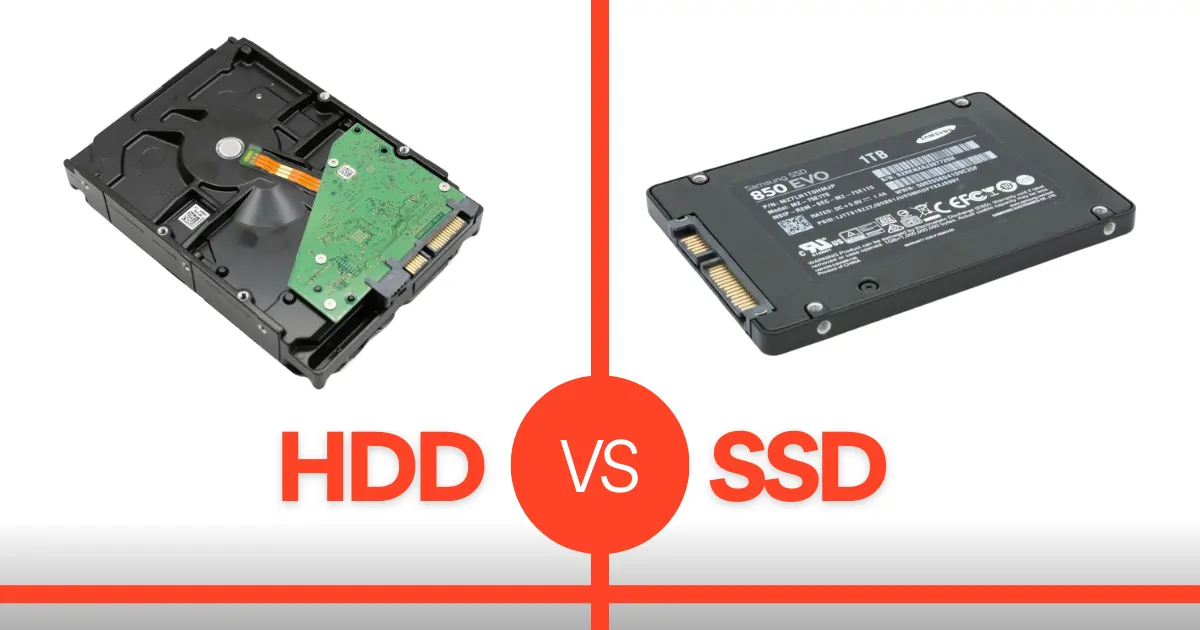
Benefits of SSD vs HDD: Understanding the Advantages

In the realm of computer storage, Solid State Drives (SSDs) and Hard Disk Drives (HDDs) represent two fundamentally different technologies. While both serve the essential function of storing data, their performance characteristics, durability, and overall efficiency vary significantly. This article explores the key benefits of SSDs over HDDs, providing a comprehensive comparison to help you understand why SSDs are often preferred in modern computing.

Performance and Speed

One of the most noticeable advantages of SSDs over HDDs is their superior performance and speed:

  • Faster Data Access: SSDs utilize flash memory to store data, allowing for near-instantaneous access times. This means that SSDs can read and write data much faster than HDDs, which rely on spinning disks and moving read/write heads. As a result, SSDs significantly reduce boot times, application loading times, and file transfer speeds, leading to a more responsive and efficient computing experience.
  • Improved System Responsiveness: The high speed of SSDs translates into improved overall system responsiveness. Tasks such as launching applications, opening files, and multitasking become noticeably quicker with an SSD. This enhancement is particularly beneficial for users working with large files or running demanding applications like video editing software and games.

Durability and Reliability

The physical differences between SSDs and HDDs contribute to differences in durability and reliability:

  • No Moving Parts: Unlike HDDs, which have mechanical parts such as spinning platters and read/write heads, SSDs have no moving components. This lack of mechanical movement makes SSDs more resistant to physical shocks and vibrations, reducing the risk of mechanical failure. SSDs are thus better suited for portable devices like laptops, where they can withstand movement and impacts.
  • Greater Reliability: SSDs generally offer greater reliability and longevity compared to HDDs. While both types of drives can wear out over time, SSDs are less prone to the type of mechanical failures that commonly affect HDDs. Additionally, SSDs are less affected by environmental factors such as temperature fluctuations, which can impact the performance of HDDs.

Energy Efficiency

Energy efficiency is another area where SSDs have a distinct advantage over HDDs:

  • Lower Power Consumption: SSDs consume significantly less power than HDDs. This is due to the absence of moving parts and the lower energy requirements of flash memory. Lower power consumption not only helps extend the battery life of portable devices like laptops but also reduces the overall energy footprint of desktop systems, leading to potential cost savings on electricity.

Noise and Heat Generation

The operational noise and heat generated by storage drives can impact the overall user experience:

  • Silent Operation: SSDs operate silently because they lack the mechanical components that produce noise in HDDs. This silent operation contributes to a quieter computing environment, which is especially appreciated in workspaces where noise reduction is important.
  • Reduced Heat Output: SSDs generate less heat compared to HDDs, which can produce considerable heat due to the spinning platters and mechanical activity. Lower heat output contributes to better thermal management within the computer, potentially extending the lifespan of other components and improving system stability.

Form Factor and Design Flexibility

SSDs offer greater flexibility in terms of form factors and design options:

  • Compact and Lightweight: SSDs are available in a variety of form factors, including the compact M.2 and NVMe (Non-Volatile Memory Express) designs. These smaller form factors allow for more innovative and space-efficient designs in laptops and desktops, supporting thinner and lighter devices.
  • Enhanced Design Possibilities: The flexibility in SSD design facilitates more efficient use of space within computer systems, enabling manufacturers to create sleeker and more powerful devices. The ability to integrate SSDs into smaller spaces also benefits users who need high-performance storage in compact devices.

6. Cost Considerations

While SSDs offer numerous benefits, their cost remains a consideration:

  • Price Per Gigabyte: Historically, SSDs have been more expensive per gigabyte compared to HDDs. However, the price gap has been narrowing, and SSDs are becoming more affordable as technology advances and production scales up. Despite the higher initial cost, the performance and reliability benefits of SSDs often justify the investment.

Conclusion

The advantages of SSDs over HDDs are clear in terms of performance, durability, energy efficiency, and design flexibility. SSDs provide faster data access, greater reliability, lower power consumption, and quieter operation, making them a preferred choice for modern computing needs. While cost remains a factor, the benefits of SSDs in enhancing system responsiveness and user experience often outweigh the price difference. As technology continues to evolve, SSDs are likely to become even more accessible, further solidifying their role as a superior storage solution.

How to Recover Lost Data

How to Recover Lost Data: A Comprehensive Guide

Losing important data can be a stressful experience, whether it’s due to accidental deletion, hardware failure, or a software glitch. Fortunately, there are several methods and tools available to help recover lost data. This article provides a detailed guide on how to recover lost data, covering preventive measures, data recovery tools, and steps to take based on different data loss scenarios.

Understand the Cause of Data Loss

Before attempting to recover lost data, it’s essential to understand the cause of the data loss. Common causes include accidental deletion, formatting errors, hardware failure, malware infections, and system crashes. Identifying the cause can help determine the appropriate recovery method. For instance, if data loss occurred due to accidental deletion, file recovery software may be effective. However, if the hard drive has failed physically, professional data recovery services may be required.

Stop Using the Affected Device

One of the crucial steps in data recovery is to stop using the affected device as soon as you realize data is lost. Continued use can overwrite the data you’re trying to recover, making it more difficult or even impossible to retrieve. If you’re dealing with a hard drive or external storage device, disconnect it from the computer to prevent further data loss. If the data is lost from a smartphone or tablet, avoid installing new apps or saving new files until recovery is attempted.

Use Data Recovery Software

For many data loss scenarios, data recovery software can be an effective solution. Here’s how to use data recovery software to attempt to recover lost files:

  • Choose the Right Software: Select a reputable data recovery software that is compatible with your operating system and supports the type of data you need to recover. Popular options include Recuva, EaseUS Data Recovery Wizard, and Disk Drill. Ensure that the software is trusted and has good reviews to avoid further issues.
  • Install and Run the Software: Install the data recovery software on a different drive than the one where the data was lost. This prevents overwriting the lost data. Launch the software and follow the on-screen instructions to scan the affected drive for recoverable files.
  • Scan and Preview: Most data recovery tools offer different scanning modes, such as quick scan and deep scan. Start with a quick scan to see if the lost files are found. If not, perform a deep scan, which takes longer but can uncover more files. Many software tools allow you to preview recoverable files before you restore them.
  • Recover Files: Select the files you want to recover and choose a safe location to save them. Avoid saving the recovered files back to the same drive from which they were recovered, as this can overwrite other lost data.

Utilize Backup Solutions

If you have been diligent about backing up your data, recovering lost files can be straightforward. Check your backup solutions, such as cloud storage services, external hard drives, or network-attached storage (NAS), to see if the lost data is available. Here’s how to recover data from backups:

  • Access Your Backup: Locate the backup that contains the lost data. This may involve logging into a cloud service, connecting an external drive, or accessing a backup server.
  • Restore Data: Follow the backup service’s or software’s instructions to restore the lost data. Most backup solutions provide options to restore individual files or entire systems, depending on what was backed up.
  • Verify Restoration: Once the restoration is complete, verify that the data is intact and usable. Ensure that the files are correctly restored and accessible before deleting any temporary or redundant files.

Seek Professional Data Recovery Services

If the data loss is due to severe hardware failure, physical damage, or if software solutions have not worked, professional data recovery services may be necessary. Here’s how to proceed:

  • Choose a Reputable Service: Research and select a reputable data recovery service with experience in handling your type of data loss scenario. Look for reviews, certifications, and a track record of successful recoveries.
  • Consult and Evaluate: Contact the data recovery service for an evaluation. They may offer a free consultation to determine the likelihood of recovery and provide an estimate of the costs involved.
  • Follow Instructions: If you decide to proceed with the service, follow their instructions for sending your device or drive. Ensure that you package it securely to prevent further damage during transit.
  • Review Recovery Results: Once the data recovery process is complete, review the recovered data to ensure it meets your expectations. Professional services often provide detailed reports on the recovery process and the files retrieved.

Implement Preventive Measures

To minimize the risk of future data loss, implement preventive measures such as regular backups, antivirus protection, and system maintenance. Consider using automated backup solutions that regularly save copies of your important files to external drives or cloud services. Regularly updating your software and performing routine system checks can also help prevent issues that might lead to data loss.

Conclusion

Recovering lost data can be a challenging process, but understanding the cause of data loss and employing the right recovery methods can significantly improve your chances of success. Whether using data recovery software, restoring from backups, or seeking professional services, taking prompt action and avoiding further use of the affected device are crucial steps. By implementing preventive measures, you can protect your data and reduce the likelihood of future losses.

How to Secure Your Wi-Fi

How to Secure Your Wi-Fi

Securing your Wi-Fi network is crucial for protecting your personal data, maintaining network performance, and preventing unauthorized access. With the increasing number of connected devices and potential security threats, ensuring that your Wi-Fi is secure has never been more important. This article provides a comprehensive guide on how to secure your Wi-Fi network, covering essential steps and best practices to enhance your network’s security.

Change Default Login Credentials

One of the first steps in securing your Wi-Fi network is to change the default login credentials for your router. Most routers come with preset usernames and passwords that are well-known and easily accessible to potential attackers. By changing these default credentials, you create a stronger barrier against unauthorized access. Log in to your router’s administration interface using the current credentials, navigate to the settings or management section, and update both the username and password. Choose strong, unique passwords that combine letters, numbers, and special characters to enhance security.

Enable WPA3 Encryption

Encryption is a key component of Wi-Fi security, as it protects the data transmitted over your network from being intercepted and read by unauthorized users. The most secure encryption protocol currently available is WPA3 (Wi-Fi Protected Access 3). WPA3 provides improved security over its predecessor, WPA2, by offering enhanced protection against brute-force attacks and more robust encryption standards. If your router supports WPA3, enable it in the security settings. If WPA3 is not available, ensure that your network is using WPA2 encryption, as WEP (Wired Equivalent Privacy) is outdated and vulnerable.

Create a Strong Wi-Fi Password

A strong Wi-Fi password is essential for preventing unauthorized access to your network. Avoid using easily guessable passwords such as “password123” or “123456.” Instead, create a complex password that includes a combination of uppercase and lowercase letters, numbers, and special characters. Aim for a password that is at least 12-16 characters long to ensure it is difficult for attackers to crack. Additionally, avoid using personal information, such as your name or birthdate, in your password. Regularly changing your Wi-Fi password is also a good practice to enhance security.

Disable WPS

Wi-Fi Protected Setup (WPS) is a feature that simplifies the process of connecting devices to your network by allowing users to press a button on the router or enter a PIN. While convenient, WPS can be a security vulnerability if not properly configured. Attackers can exploit WPS to gain access to your network more easily. If you do not need WPS, disable it in your router’s settings to reduce the risk of unauthorized access. Disabling WPS will require users to enter the Wi-Fi password manually, which provides a higher level of security.

Update Router Firmware Regularly

Router firmware updates are released periodically by manufacturers to address security vulnerabilities, improve performance, and add new features. Keeping your router’s firmware up to date is crucial for maintaining a secure network. Check the manufacturer’s website or the router’s administration interface for available updates and install them as soon as they are released. Regularly updating firmware helps protect against known exploits and ensures that your router is equipped with the latest security enhancements.

Secure Your Network with a Guest Network

If you have visitors who need to access your Wi-Fi, consider setting up a separate guest network. A guest network provides internet access to visitors without granting them access to your primary network and its connected devices. Most modern routers allow you to create a guest network with its own SSID (Service Set Identifier) and password. Ensure that the guest network is secured with WPA2 or WPA3 encryption and a strong password. This segregation helps protect your main network from potential security risks associated with guest devices.

Disable Remote Management

Remote management allows you to access your router’s settings from outside your home network, which can be convenient but also poses security risks. If remote management is enabled, attackers could potentially exploit it to gain access to your router’s configuration and compromise your network. Unless you specifically need remote management for administrative purposes, it is advisable to disable this feature in your router’s settings. This reduces the risk of external attacks and helps keep your network secure.

Monitor Connected Devices

Regularly monitoring the devices connected to your network can help you identify any unauthorized access or unusual activity. Most routers provide a list of connected devices in the administration interface. Review this list periodically to ensure that only recognized devices are connected. If you notice any unfamiliar devices, investigate further to determine whether they pose a security risk. Monitoring your network helps you stay informed about potential security issues and take appropriate action to address them.

Implement Network Segmentation

Network segmentation involves dividing your network into separate segments or subnets to enhance security and manage traffic more effectively. For example, you can create separate segments for your primary devices, guest devices, and IoT (Internet of Things) devices. By isolating these segments, you reduce the risk of a security breach affecting all devices on the network. If one segment is compromised, the other segments remain protected. Network segmentation can be implemented through router settings or by using additional networking equipment such as managed switches.

Conclusion

Securing your Wi-Fi network is essential for protecting your personal information, ensuring network performance, and preventing unauthorized access. By changing default login credentials, enabling WPA3 encryption, creating a strong Wi-Fi password, disabling WPS, updating router firmware, securing with a guest network, disabling remote management, monitoring connected devices, and implementing network segmentation, you can significantly enhance the security of your Wi-Fi network. Following these best practices will help safeguard your network from potential threats and ensure a safer online experience.

How to Set Up a Home Server

How to Set Up a Home Server

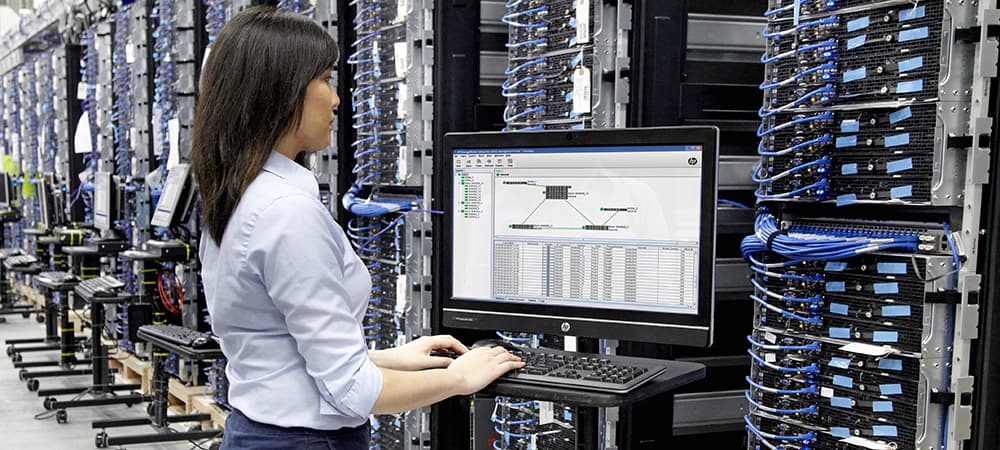
Setting up a home server can provide a range of benefits, from file sharing and media streaming to hosting websites and running applications. Whether you’re looking to create a centralized data hub for your household or experiment with server technologies, establishing a home server requires careful planning, hardware selection, and configuration. This article outlines the key steps involved in setting up a home server, including determining your needs, selecting hardware and software, and configuring and securing your server.

Assessing Your Needs

The first step in setting up a home server is to assess your needs and determine what you want your server to achieve. Common uses for home servers include file storage and sharing, media streaming, running a personal website or blog, and managing home automation systems. Understanding your requirements will guide your decisions on hardware, software, and network configuration. For example, if you plan to use your server for media streaming, you’ll need ample storage and sufficient processing power. Conversely, if you’re setting up a server for file sharing, basic hardware might suffice. Consider your goals and the potential growth of your server’s role in your home network.

Selecting Hardware

Once you have a clear understanding of your needs, select the appropriate hardware for your home server. You can repurpose an old computer or purchase dedicated server hardware, depending on your budget and requirements. Key hardware components include:

  • CPU: A server CPU with multiple cores will handle multiple tasks efficiently. An Intel Core i5 or AMD Ryzen 5 is suitable for most home server applications.
  • Memory (RAM): Aim for at least 8GB of RAM for basic home server tasks. For more demanding applications, such as virtual machines or media servers, consider 16GB or more.
  • Storage: Choose storage solutions based on your needs. For file sharing and media storage, a large hard drive (HDD) or solid-state drive (SSD) is essential. Consider using multiple drives in a RAID configuration for redundancy and performance.
  • Network Interface: Ensure your server has a reliable network interface card (NIC) with support for gigabit Ethernet to handle data transfer efficiently.
  • Case and Cooling: Select a case that accommodates your hardware and provides adequate cooling. Proper ventilation is crucial to prevent overheating, especially for continuously running servers.
  • Power Supply: Choose a power supply unit (PSU) that provides sufficient wattage and stability for your server components.

Choosing and Installing Software

The software you select for your home server will depend on its intended use. Popular options include:

  • Operating System: For a home server, you can choose from various operating systems. Windows Server is user-friendly and offers extensive support, while Linux distributions such as Ubuntu Server or CentOS are free and highly customizable.
  • Server Software: Depending on your needs, install relevant server software. For file sharing, consider software like Nextcloud or Plex for media streaming. For web hosting, you might install Apache or Nginx, along with a database server like MySQL or PostgreSQL.
  • Setup: Follow installation guides for your chosen OS and server software. Most operating systems offer step-by-step installation processes. Configure the software according to your needs, such as setting up user accounts, permissions, and network settings.

Configuring the Network

Configuring your network is essential to ensure your home server is accessible and functional.

  • IP Address: Assign a static IP address to your server to ensure it remains consistent and accessible on your network. You can configure this through your router’s settings or directly on the server.
  • Port Forwarding: If you want to access your server remotely or host services like a website, configure port forwarding on your router. This forwards external requests to the appropriate internal IP address and port on your server.
  • Firewall: Configure the server’s firewall to allow necessary traffic while blocking unwanted connections. Most operating systems come with built-in firewall tools that can be customized to suit your needs.

Securing Your Server

Security is crucial when setting up a home server to protect against unauthorized access and potential threats.

  • Updates: Regularly update your server’s operating system and software to patch vulnerabilities and improve security.
  • User Accounts: Create strong passwords for user accounts and use multi-factor authentication if available. Avoid using default or easily guessable credentials.
  • Backups: Implement a backup strategy to safeguard your data. Regularly back up important files and server configurations to an external drive or cloud storage.
  • Encryption: Use encryption to protect sensitive data, especially if you’re accessing your server remotely. Implement HTTPS for web services and encrypt storage drives where necessary.
  • Monitoring: Set up monitoring tools to track server performance, detect potential security issues, and ensure that your server operates smoothly.

Testing and Maintenance

After setting up your server, conduct thorough testing to ensure all services are functioning as expected. Check that file sharing, media streaming, and other applications work correctly and that remote access is properly configured. Regular maintenance is also crucial for the long-term health of your server. Monitor server performance, apply updates, and review security settings periodically to address any issues that arise.

Conclusion

Setting up a home server involves careful planning and consideration of your needs, hardware, software, network configuration, and security. By following these steps, you can create a versatile and reliable server that meets your requirements and enhances your home network. Whether you’re using your server for file sharing, media streaming, or hosting services, proper setup and ongoing maintenance will ensure a smooth and efficient experience. Building a home server offers not only practical benefits but also an opportunity to learn about server management and networking, making it a rewarding project for tech enthusiasts.

How to Install Linux

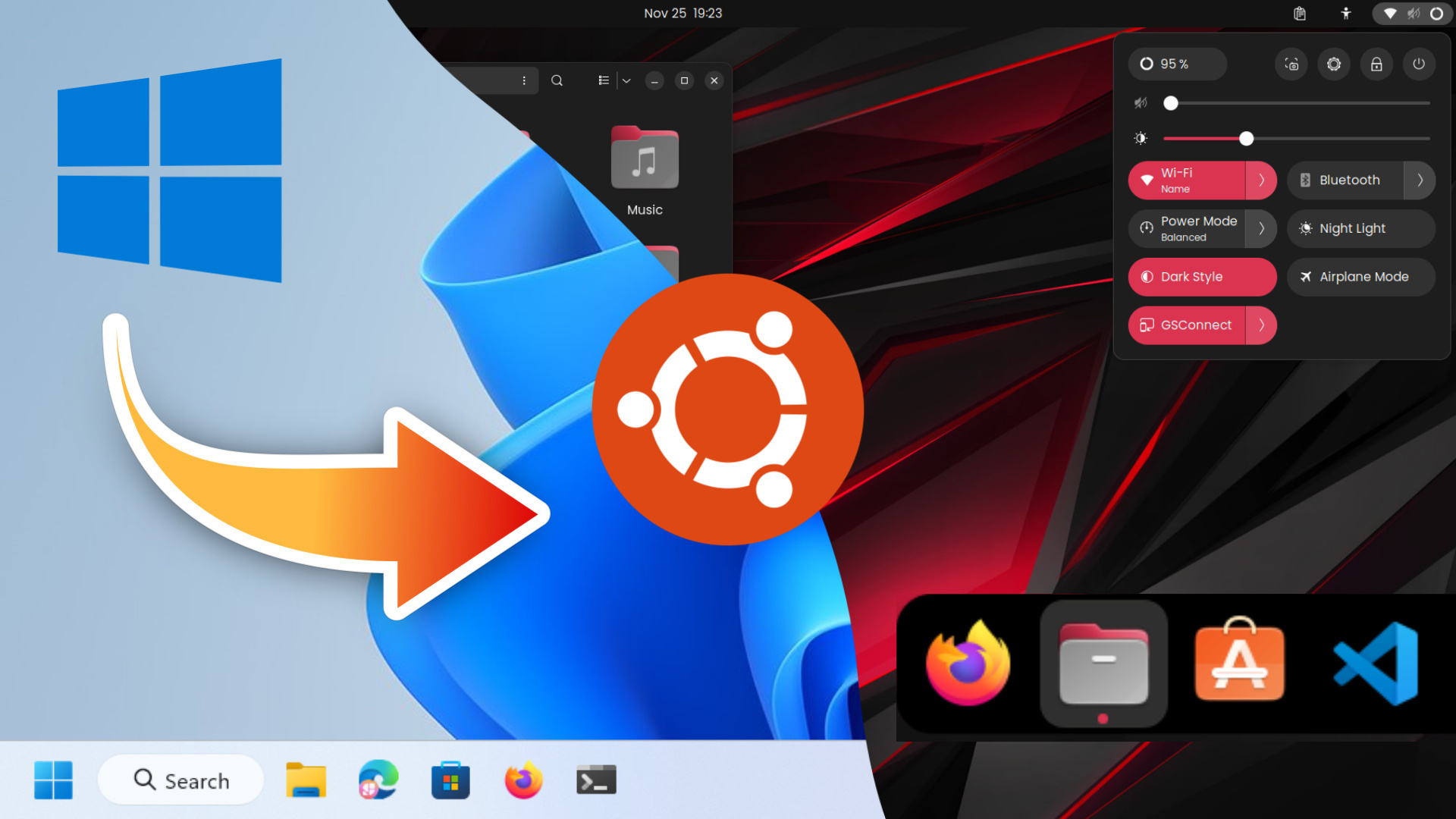
How to Install Linux: A Step-by-Step Guide

Installing Linux can be a rewarding experience, offering users a robust and versatile operating system. Whether you’re switching from another OS or installing Linux alongside an existing system, the process involves several key steps. This guide provides a comprehensive overview of how to install Linux, covering preparation, installation, and post-installation tasks.

Preparing for Installation

Preparation is crucial for a smooth Linux installation process:

  • Choose a Linux Distribution: Linux comes in various distributions (distros), each catering to different needs and preferences. Popular choices include Ubuntu, Fedora, and Debian for general use, and specialized versions like Kali Linux for security professionals. Research and select a distribution that best fits your requirements.
  • Create Installation Media: Download the ISO file of your chosen Linux distribution from its official website. To create installation media, use a tool like Rufus (for Windows) or Etcher (for macOS and Linux) to write the ISO file to a USB flash drive or DVD. Ensure the media has at least 4 GB of storage capacity.
  • Backup Important Data: Before proceeding with installation, back up any important data on your system. Although Linux installation typically does not affect other operating systems or files, it is always best to safeguard your data against unforeseen issues.

Booting from Installation Media

Once your installation media is ready, you need to boot your computer from it:

  • Access BIOS/UEFI Settings: Restart your computer and enter the BIOS/UEFI settings by pressing a specific key during startup (often F2, F12, ESC, or DEL). Locate the boot menu and set your USB drive or DVD as the primary boot device. Save the changes and exit the BIOS/UEFI settings.
  • Boot into the Linux Installer: Your computer should now boot from the installation media. You will typically see a welcome screen offering options to try or install Linux. Choose the “Install” option to begin the installation process.

Installing Linux

The installation process involves several key steps:

  • Select Installation Language and Keyboard Layout: The installer will prompt you to choose your preferred language and keyboard layout. Select the options that match your preferences and proceed to the next step.
  • Prepare the Installation Drive: Choose the drive or partition where Linux will be installed. You can either use the entire disk, which will erase all existing data, or manually partition the drive if you wish to dual-boot with another operating system. If you are new to Linux, using the entire disk is often the simplest option.
  • Configure Partitioning (if needed): If you choose manual partitioning, create the necessary partitions: typically, a root partition (/), a swap partition (optional, for virtual memory), and optionally a separate home partition (/home) for user files. Assign file systems (like ext4) and set mount points accordingly.
  • Set Up User Accounts and Passwords: Enter a username and password for your Linux system. This will be your main user account and will be used for logging in and performing administrative tasks. You may also be prompted to set a root password for system administration.

Completing the Installation

After configuring your installation settings, complete the installation process:

  • Review Installation Summary: Review the summary of your installation settings, including partition layout, user information, and installation type. Ensure everything is correct before proceeding.
  • Install Linux: Click the “Install” button to begin copying files and setting up the system. This process may take some time, depending on the speed of your hardware and installation media.
  • Restart the Computer: Once the installation is complete, you will be prompted to restart your computer. Remove the installation media and reboot your system. Linux should now boot up and present you with a login screen.

Post-Installation Tasks

After installing Linux, there are several important steps to take to ensure your system is fully operational:

  • Update the System: Open a terminal and update your system to ensure you have the latest security patches and software updates. For most distributions, you can use commands like sudo apt update && sudo apt upgrade (for Debian-based systems like Ubuntu) or sudo dnf update (for Fedora-based systems).
  • Install Additional Software: Depending on your needs, you may want to install additional software. Use the package manager for your distribution to install applications, drivers, and utilities. For example, Ubuntu users can use the Ubuntu Software Center or apt command.
  • Configure System Settings: Adjust system settings to suit your preferences, such as configuring network settings, customizing the desktop environment, and setting up printers or other peripherals.

Conclusion

Installing Linux is a straightforward process that opens up a world of possibilities for customization and control over your computing environment. By following these steps—preparing installation media, booting from it, completing the installation, and performing post-installation tasks—you can successfully install Linux and start exploring its powerful features. Whether you’re using Linux for personal projects, development, or as a primary operating system, the flexibility and open-source nature of Linux offer a rewarding experience for users of all levels.